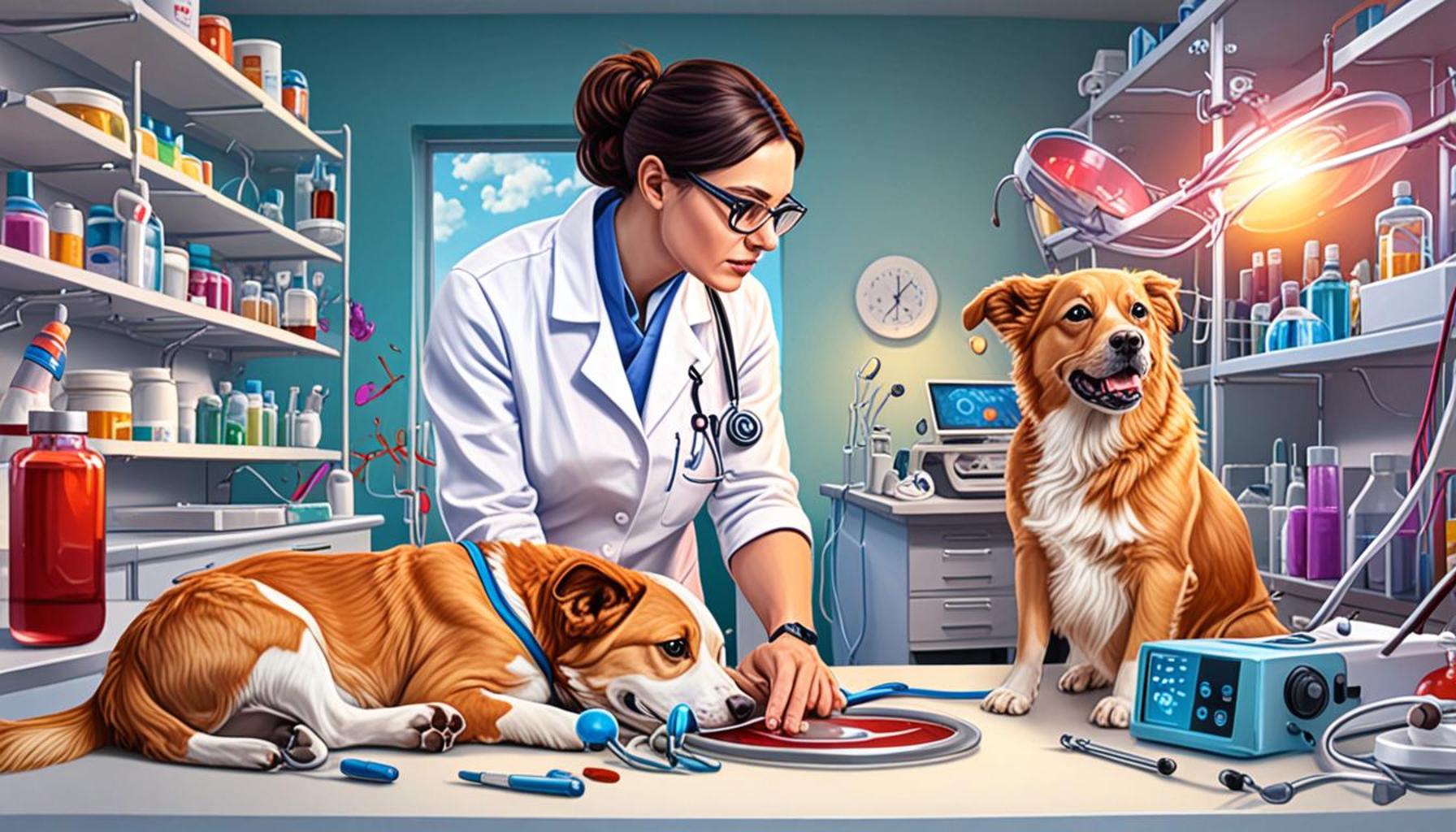
The importance of veterinary physiotherapy in pet rehabilitation

The Importance of Veterinary Physiotherapy in Pet Care
When it comes to our furry companions, their health and well-being are paramount, particularly when they have to undergo surgeries or are recovering from injuries. In this context, veterinary physiotherapy emerges not just as an ancillary option but rather as a fundamental component of comprehensive healthcare for pets. This specialized field applies various therapeutic approaches aimed at enhancing a pet’s recovery through customized rehabilitation strategies that focus on both physical and emotional wellbeing.
One of the most notable aspects of veterinary physiotherapy is pain management. Many pets experience discomfort post-surgery or due to chronic conditions, and physiotherapy offers innovative solutions. Techniques such as ultrasound therapy use sound waves to promote tissue healing and reduce inflammation, while laser therapy employs light to boost cellular function and alleviate pain. For instance, studies have shown that laser therapy can significantly reduce pain levels in dogs with osteoarthritis, allowing them to move more comfortably and enjoy a better quality of life.
Furthermore, injury recovery is another critical area where veterinary physiotherapy excels. Rehabilitation programs featuring targeted exercises are designed to accelerate healing and restore strength and functionality. For example, a post-operative dog may engage in gentle strengthening exercises that gradually build muscle without overwhelming the surgical site. Such rehabilitation not only aids in physical recovery but also bolsters the animal’s confidence as it regains its abilities.
Improved mobility stands out as a significant benefit of ongoing physiotherapy. Regular sessions tailored to each pet’s unique condition can effectively enhance joint health and flexibility. This is especially important for aging pets, who often suffer from conditions like hip dysplasia or arthritis. By incorporating exercises that promote joint range of motion, a veterinary physiotherapist can help pets rediscover their playful spirit, whether it’s chasing a ball in the backyard or simply enjoying a leisurely walk.
In addition to physical modalities, veterinary physiotherapy incorporates hydrotherapy and manual therapy, both of which play vital roles in recovery. Hydrotherapy, or underwater treadmill exercises, allows pets to work against buoyancy, reducing strain on joints while still building muscles. Similarly, manual therapy techniques can enhance circulation and promote faster healing through hands-on manipulation of muscles and joints.
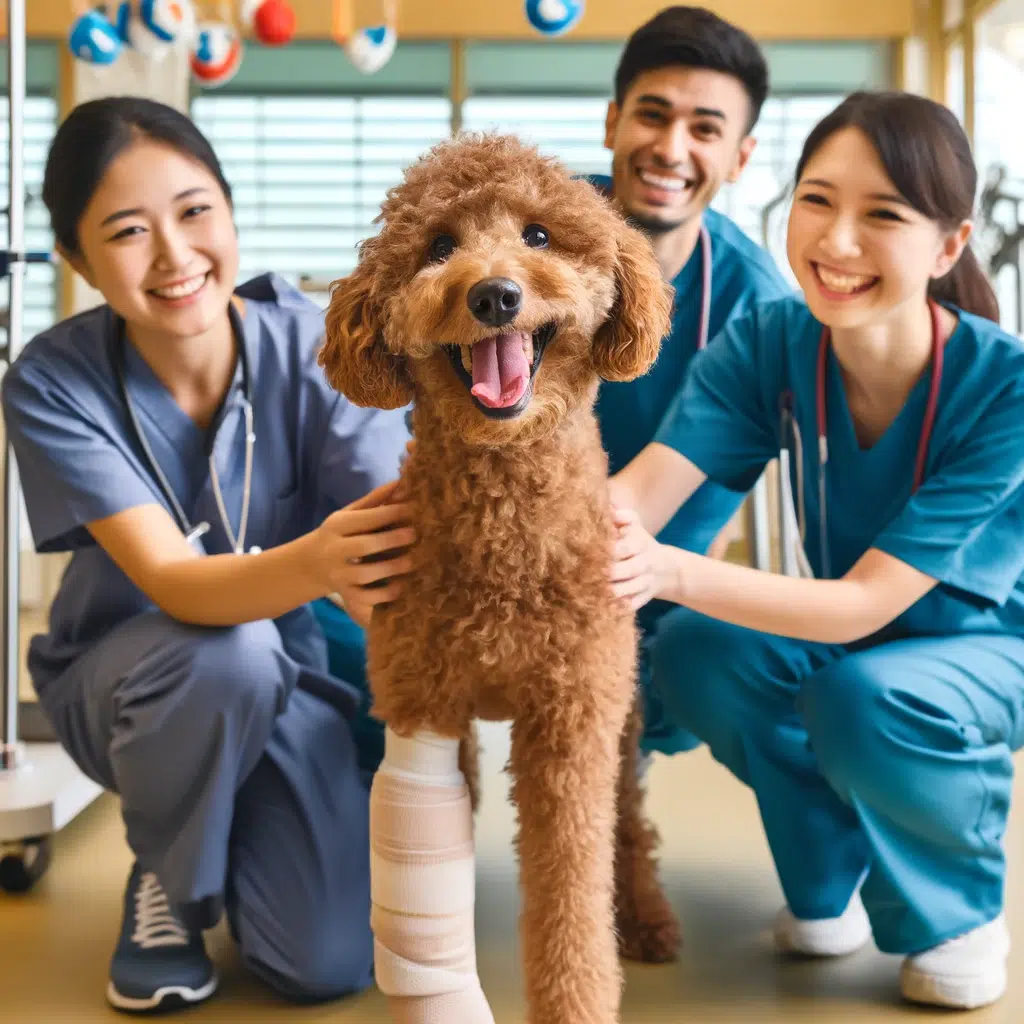
Beyond improving physical health, the practice supports pets’ emotional and psychological well-being. The bond between a pet and its owner is significantly strengthened during the rehabilitation process, as owners gain an understanding of their pet’s needs and motivate them through recovery. Ultimately, veterinary physiotherapy serves as a comprehensive approach that influences not just healing but also enriches the overall human-animal relationship.
As more pet owners in the United States become aware of the numerous advantages of veterinary physiotherapy, the field continues to evolve. For those interested in delving deeper into this essential aspect of pet care, exploring further resources and visiting specialized clinics can lead to informed choices that support the recovery journey of their beloved companions.
DISCOVER MORE: Click here to learn about the effects of plant-based diets on your pet’s health
Unleashing the Power of Rehabilitation Through Veterinary Physiotherapy
As pet owners, we often focus on the joyful moments spent with our furry companions, but what happens when they face health challenges? The nuanced domain of veterinary physiotherapy steps in as an invaluable ally in the rehabilitative process, addressing a spectrum of issues that may arise during the life of our pets. Understanding its importance enables owners to make informed decisions that facilitate optimal recovery.
One key component of veterinary physiotherapy is its emphasis on tailored rehabilitation programs. Pet recovery isn’t a one-size-fits-all process; it varies not only according to the type and severity of the injury but also based on the individual pet’s age, breed, and physical condition. Practitioners conduct comprehensive assessments that lead to the creation of a personalized rehabilitation plan aimed at promoting recovery efficiently. This targeted approach has proven to be highly effective; studies indicate that pets undergoing tailored physiotherapy exhibit notably faster recovery times compared to those that do not.
The process often begins with evaluating pain and mobility. A veterinary physiotherapist will usually assess the pet’s overall condition, determining pain levels, joint stability, and muscle strength. Following an initial assessment, a range of therapeutic techniques is employed, which may include:
- Therapeutic exercises designed to strengthen specific muscle groups and improve overall fitness.
- Manual therapy to enhance circulation and reduce muscle tension.
- Electrotherapy that utilizes electrical currents to stimulate rehabilitation.
- Massage therapy aimed at fostering relaxation and reducing anxiety.
In addition to physical interventions, emotional support during rehabilitation plays a significant role in the healing process. Pets can experience anxiety or stress when confronting limitations after injury or surgery. Veterinary physiotherapy, with its focus on gentle and gradual physical activity, fosters an environment where pets feel secure and supported. Owners are actively involved throughout this journey, assisting their pets in overcoming fears and encouraging recovery, which subsequently strengthens their bond.
Moreover, the potential for preventative care should not be overlooked. Regular veterinary physiotherapy sessions can help maintain optimal musculoskeletal health and prevent injuries, particularly in active breeds or those with a history of joint problems. Conditioning exercises and fitness programs lead to greater resilience and durability in pets, thereby enhancing their overall quality of life.
As we navigate a world increasingly aware of the importance of holistic pet care, it becomes clear that veterinary physiotherapy plays a vital role in bridging the gap between injury and recovery. With advancements in techniques and a growing number of certified practitioners, pet owners have more resources than ever to ensure their companions thrive both physically and emotionally during challenging times.
| Advantage | Details |
|---|---|
| Enhanced Mobility | Veterinary physiotherapy focuses on restoring mobility in pets post-injury or surgery, significantly improving their quality of life. |
| Pain Management | Various therapeutic techniques, such as electrotherapy, are utilized to relieve pain, allowing pets to engage in their favorite activities again. |
| Preventative Care | Regular physiotherapy sessions can help identify potential issues before they become serious, effectively serving as a preventative measure. |
| Rehabilitation Post-Surgery | Post-surgical rehabilitation is crucial for recovery, and physiotherapy plays an essential role in speeding up the healing process. |
Veterinary physiotherapy is becoming an essential aspect of pet rehabilitation, allowing pets not only to recover but to thrive. Techniques used by veterinary physiotherapists, such as hydrotherapy and massage, can support muscle strengthening and increase range of motion. These methods can work alongside conventional treatments, creating a holistic approach towards the care of our furry friends. Engaging pets in tailored rehabilitation exercises promotes emotional health, preventing anxiety linked with restricted movement. As the understanding of animal physiotherapy expands, more pet owners are recognizing its vital role in maintaining their pets’ well-being and overall vitality. This field continues to grow, offering innovative solutions for common concerns, further enhancing the bond between pets and their owners.
LEARN MORE: Click here for tips on selecting the best food for pets with allergies</p
Enhancing Recovery: The Role of Specialized Techniques
Veterinary physiotherapy goes beyond conventional treatment modalities, incorporating a variety of specialized techniques that specifically cater to the diverse needs of rehabilitating pets. One such innovative approach is therapeutic ultrasound, which utilizes sound waves to penetrate deep into the tissues. This method promotes healing by enhancing cellular activity and improving blood flow, which can significantly reduce inflammation and facilitate the healing process for soft tissue injuries.
Furthermore, the integration of hydrotherapy is gaining traction in veterinary rehabilitation centers across the United States. This technique uses water resistance to provide a low-impact environment for recovery. Hydrotherapy allows pets to maintain their physical fitness without the strain of gravity, making it particularly beneficial for obese or arthritic animals. The buoyancy encountered in water reduces joint stress while enabling the pet to engage in crucial strengthening exercises, paving the way toward improved mobility.
Animal physiotherapists also employ laser therapy, often referred to as cold laser therapy, which utilizes low-level lasers to stimulate healing at the cellular level. Studies have indicated that laser therapy can significantly reduce pain, accelerate tissue repair, and improve range of motion for pets recovering from surgery or injury. This non-invasive option provides a promising alternative for pets hesitant to engage in more physically demanding therapies.
Integrating Nutrition in Rehabilitation
An often-overlooked aspect of the rehabilitation process involves nutritional support, which veterinarians and physiotherapists increasingly recognize as critical in promoting recovery. A balanced diet tailored to the pet’s specific needs can enhance healing and overall health. For instance, incorporating anti-inflammatory foods rich in omega-3 fatty acids can aid in reducing joint pain and inflammation, supporting quicker rehabilitation outcomes. Additionally, pet owners may seek guidance from specialized nutritionists to create meal plans that bolster the pets’ recovery, ensuring they receive the essential vitamins and minerals necessary during their rehabilitation journey.
Educating Pet Owners: A Key to Success
The success of veterinary physiotherapy is not solely dependent on the expertise of the practitioners; pet owners play a crucial role in the rehabilitation process. Owners must be educated about their pet’s condition and instructed on how to perform home exercises effectively. Veterinary physiotherapy sessions often include training on therapeutic exercises that can be continued at home, reinforcing the progress made during appointments. This collaboration fosters a sense of accountability and enables pet owners to monitor advancements diligently.
Moreover, education extends to understanding the signs of pain or discomfort in pets, which is crucial for timely interventions. Pets can be stoic, masking their pain; hence, a well-informed owner can recognize subtle changes in behavior or mobility, prompting necessary adjustments to the rehabilitation plan. By empowering pet owners with knowledge, veterinary physiotherapy becomes a synergistic effort that optimizes recovery outcomes for their beloved companions.
Ultimately, the enhanced role of veterinary physiotherapy in pet rehabilitation encapsulates a comprehensive approach that marries innovative therapeutic techniques, nutritional support, and active owner participation. This multi-faceted strategy not only speeds up recovery but also manifests in long-term benefits for the pet’s health, highlighting the vital importance of physiotherapy in the veterinary field.
DON’T MISS: Click here to learn about the vital role of socialization for pet well-being
Conclusion: The Indispensable Role of Veterinary Physiotherapy in Pet Rehabilitation
In conclusion, the significance of veterinary physiotherapy in pet rehabilitation cannot be overstated. As we have explored, this specialized field encompasses a wealth of innovative techniques and approaches, from therapeutic ultrasound to hydrotherapy and laser therapy, each designed to aid pets in their recovery journey. Integrating these methods not only accelerates the healing process but also enhances mobility and overall quality of life for our beloved companions.
Moreover, the inclusion of tailored nutritional support and the active engagement of pet owners in their pets’ rehabilitation emphasize a holistic approach that promotes both physical and emotional well-being. Educating owners about their role in the recovery process further underscores a collaborative effort that leads to more effective outcomes. When pet owners are empowered with knowledge, they can recognize signs of discomfort and actively participate in their pet’s therapeutic exercises, making a significant difference in long-term recovery.
As pet owners seek new ways to ensure their animals recover effectively, the demand for veterinary physiotherapy is likely to grow. This evolution not only signifies a shift towards better health management for pets but also highlights a growing awareness of their unique physical and emotional needs. In embracing veterinary physiotherapy, we open doors to enhanced recovery processes and a brighter future for pets dealing with health challenges. Thus, as we move forward, fostering partnerships between veterinarians, physiotherapists, and pet owners will be crucial in driving innovation and improving the standards of pet rehabilitation.