
How to Prepare Your Pet for a Trip

Preparing Your Pet for an Adventure
Embarking on a trip with your pet can be an exhilarating experience, blending the joy of exploration with the comfort of companionship. However, it also requires careful planning to ensure that your adventure is seamless and enjoyable for both you and your furry friend. Understanding your pet’s needs is vital to create a stress-free travel environment and build fond memories along the way.
Here are some essential steps to consider when preparing for your trip:
- Health Check: Before any travel, it’s essential to schedule a thorough vet visit to ensure your pet is fit for the journey ahead. This includes updating vaccinations, especially if you’re heading to areas where diseases like kennel cough are prevalent. Additionally, discuss any medications your pet may need during travel, and always carry a copy of their medical records, just in case.
- Identification: Ensuring your pet has proper identification is crucial in case they get lost. Equip your furry companion with a sturdy collar featuring an ID tag that includes your contact information. Moreover, consider microchipping your pet, which serves as a permanent form of identification. Microchips can be a lifesaver if your pet gets separated from you, as they can be scanned by veterinarians or shelters to locate you quickly.
- Travel Arrangements: Selecting the right carrier or harness that suits your pet’s size and comfort is essential. Ideally, a pet carrier should be well-ventilated, spacious enough for your pet to stand, turn around, and lie down comfortably. If traveling by car, a safety harness secured to the vehicle’s seatbelt can ensure their safety while allowing them to enjoy the sights.
- Packing Essentials: When traveling, be prepared by packing essential items for your pet. Include sufficient food and water, familiar treats, and their favorite toys to minimize stress. It’s also wise to prepare a first-aid kit tailored specifically for pets. This kit should include items like bandages, antiseptics, and any medications they might need on the road.
Similar to humans, pets can experience travel anxiety. Familiarizing them with the travel environment can ease any jitters they may have. Small practices such as taking your pet on short car rides or visiting pet-friendly locations can help them grow accustomed to being on the move. These small steps can transform your pet’s anxious energy into excitement, ensuring that they are ready to embark on a longer journey.
In the coming sections, we will delve deeper into each of these preparations. From effective strategies to manage travel stress to tips for finding pet-friendly accommodations, the goal is to ensure your pet enjoys the journey as much as you do. Prepare to explore the intricacies of crafting the perfect travel plan for your beloved companion, allowing both of you to relish every moment of the adventure!
DON’T MISS: Click here to learn about keeping your pet hydrated</
Health Check: The Foundation of a Safe Journey
Before embarking on a trip, the health of your pet should be your primary concern. A proper health check establishes a strong foundation, ensuring your furry companion is ready to weather the travel experience. It’s recommended to schedule a comprehensive check-up at the veterinarian’s office a few weeks before your departure. This allows ample time to address any health issues and time for vaccinations if required.
During the visit, have your vet conduct a thorough examination, assess your pet’s physical condition, and update any necessary vaccinations. Different states might have unique requirements for pet vaccinations, especially if you’re traveling to places such as boarding facilities or national parks. For instance, some destinations recommend rabies vaccinations, while others may have specific mandates for canine flu or leptospirosis. Understanding these requirements can prevent any unexpected pitfalls upon arrival.
Additionally, inquire about any medications your pet may need during the journey. For example, if your pet experiences motion sickness, your vet might prescribe medication to help keep them calm and comfortable. Here are a few health-related questions to ask your veterinarian:
- What vaccinations are required for our destination?
- Should I consider medications for anxiety or motion sickness during travel?
- Are there any specific precautions I should take for my pet during the trip?
- Can you provide a copy of my pet’s medical records for travel purposes?
Identification: A Safety Net for Your Pet
In the unfortunate event that your pet gets lost during your travels, having proper identification is essential. A secure collar with an ID tag containing your contact information is the minimum requirement. However, taking this a step further can significantly increase the chances of a swift reunion. Microchipping your pet serves as a permanent form of identification that cannot be easily removed or lost.
If your pet is microchipped, ensure that your contact information is up to date in the registration database. This simple step can be the difference between reuniting with your furry friend or facing a long, distressing search. Moreover, consider carrying a recent photo of your pet. Having a visual reference can help others recognize them more easily if they go missing, especially in busy environments, such as airports or hotels.
As you prepare your pet for travel, remember that planning ahead can save you considerable stress during the journey. By addressing health checks and ensuring effective identification, you create a solid safety net that allows both you and your pet to relax and enjoy the adventure ahead. In the following sections, we will explore additional preparations, such as travel arrangements and packing essentials, setting you and your furry companion up for a memorable journey.
| Preparation Steps | Importance |
|---|---|
| Health Check | Ensures your pet is fit for travel and decreases the risk of health issues. |
| Proper Identification | Increases chances of pet recovery if they become lost during the trip. |
| Packing Essentials | Ensures comfort and well-being on the road, making the journey more enjoyable for your pet. |
| Training for Travel | Helps reduce anxiety and prepares your pet for new environments. |
When planning a trip with your pet, taking specific preparation steps can make a world of difference. First, start with a health check. Visiting the vet ensures that your pet is in optimal condition for travel, avoiding unnecessary risks associated with the journey. Second, proper identification, such as microchipping and ID tags, is crucial. If your pet happens to go missing, having these safeguards significantly boosts the chance of a reunion.Don’t forget about packing your pet’s essentials! Items such as their favorite blanket, food, and necessary medications can create a comforting environment and help reduce anxiety during travel. Additionally, training your pet prior to the trip can enhance their adaptability and calmness. By implementing these steps, you ensure a safer and happier adventure for both you and your furry friend.
LEARN MORE: Click here to find out how veterinary services are aiding in pet recovery</p
Travel Arrangements: Making the Journey Comfortable
Once your pet’s health check and identification are sorted, the next step in preparing your pet for a trip involves meticulous travel arrangements. Traveling with pets requires a methodical approach, whether you’re hitting the road in your car, taking a plane, or opting for a different mode of transport. Each travel option has unique requirements and considerations that can greatly affect your pet’s comfort and safety.
If you’re traveling by car, ensure that your pet has a designated space in the vehicle. Harnesses, pet car seats, or travel crates can enhance safety while preventing distractions for the driver. It is crucial to make sure your pet is also acclimated to spending time in their travel crate prior to departure. Start with short trips, gradually increasing the duration to help your pet adjust and feel secure. Remember to plan for regular stops during longer drives, allowing your pet ample opportunities to stretch, hydrate, and relieve themselves.
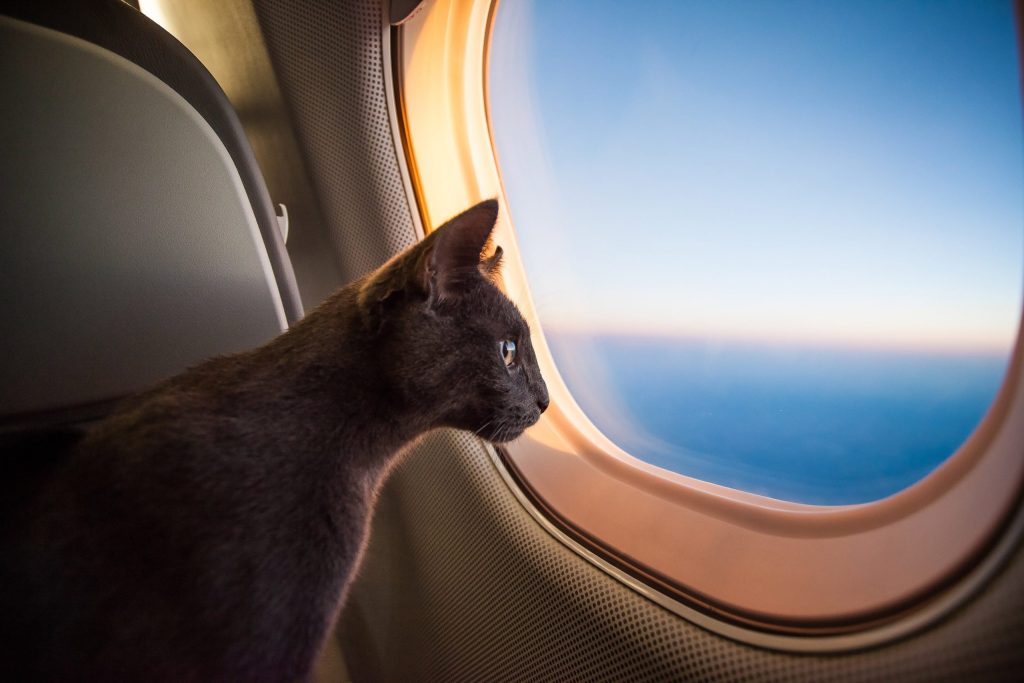
Should air travel be on your itinerary, it’s vital to familiarize yourself with the airline’s specific pet policies. Some airlines allow pets in the cabin, while others may require them to travel in the cargo hold, which can cause anxiety for many animals. Confirm that your pet’s crate complies with the airline’s regulations, ensuring adequate ventilation and space for your pet to stand, turn around, and lie down comfortably. Moreover, consider booking tickets well in advance; seats for pets are often limited, and securing a spot for your furry friend can relieve unnecessary stress as your travel date approaches.
Before you set off, be aware of the weather conditions expected at your destination. Extreme temperatures can pose risks, especially if you’re traveling with short-haired or older pets. If your pet is sensitive to heat or cold, plan accordingly by adjusting travel times or ensuring your travel space is climate-controlled. Similarly, keep an eye on potential allergens at your destination that may provoke your pet’s allergies.
Packing Essentials: Don’t Forget the Necessities
As the departure date draws closer, compiling a comprehensive packing list is crucial. Equip yourself with essential items that will cater to your pet’s basic needs and day-to-day comfort during the journey. Here’s a checklist of must-have pet items:
- Food and Water Supplies: Bring enough of your pet’s usual food to last for the duration of the trip, along with collapsible food and water bowls for easy feeding.
- Leash and Collar: A secure collar with identification tags and a sturdy leash will keep your pet safe during willful adventures in new environments.
- Comfort Items: Familiar items such as a favorite blanket or toy can help ease your pet’s anxiety and provide emotional comfort.
- Grooming Supplies: Don’t forget grooming tools like brushes and waste bags for easy clean-up while traveling.
- First Aid Kit: A handy first aid kit tailored for pets is an invaluable resource, equipped with necessary medications, bandages, and a list of emergency contacts.
As you gather these supplies, check expiration dates on medications and ensure that everything you bring is in good condition. A well-prepared pack can ensure a smoother travel experience, minimizing unexpected interruptions and maximizing fun for both you and your pet.
With these preparations, your pet will be well on their way to enjoying the trip as much as you do. Whether you’re embarking on a family vacation or a weekend getaway, proper planning can transform a potentially stressful experience into an enjoyable one for all involved.
DIVE DEEPER: Click here to learn more about pet socialization
Conclusion: A Smooth Journey Awaits
As you prepare for your upcoming trip, ensuring your pet is ready for the adventure is just as important as planning your itinerary. By prioritizing your pet’s health, comfort, and safety, you can create a seamless travel experience for both you and your furry companion. The steps outlined in this article—appropriate health checks, thorough travel arrangements, and a meticulous checklist of packing essentials—all contribute to a stress-free journey.
Understanding your pet’s unique needs and behaviors is key. Whether it’s acclimatizing them to their travel crate or keeping their favorite toys on hand, these measures can significantly reduce anxiety. Don’t overlook the value of reflecting on your destination’s environment, as new climates and potential allergens can affect your pet’s well-being. A well-thought-out travel plan fosters not just your pet’s safety but also enhances the overall enjoyment of your trip.
In conclusion, as pet owners, recognizing that our pets experience travel differently can help pave the way for a more enjoyable outing. By combining compassion with preparation, you can ensure that your pet will not only survive the journey but thrive in the new experiences that await. For more insights and resources, consider exploring pet travel forums and consulting with your veterinarian for tailored advice. With the right approach, your travels can be memorable adventures for you and your beloved pet.