
Tips for Dental Health Care for Cats
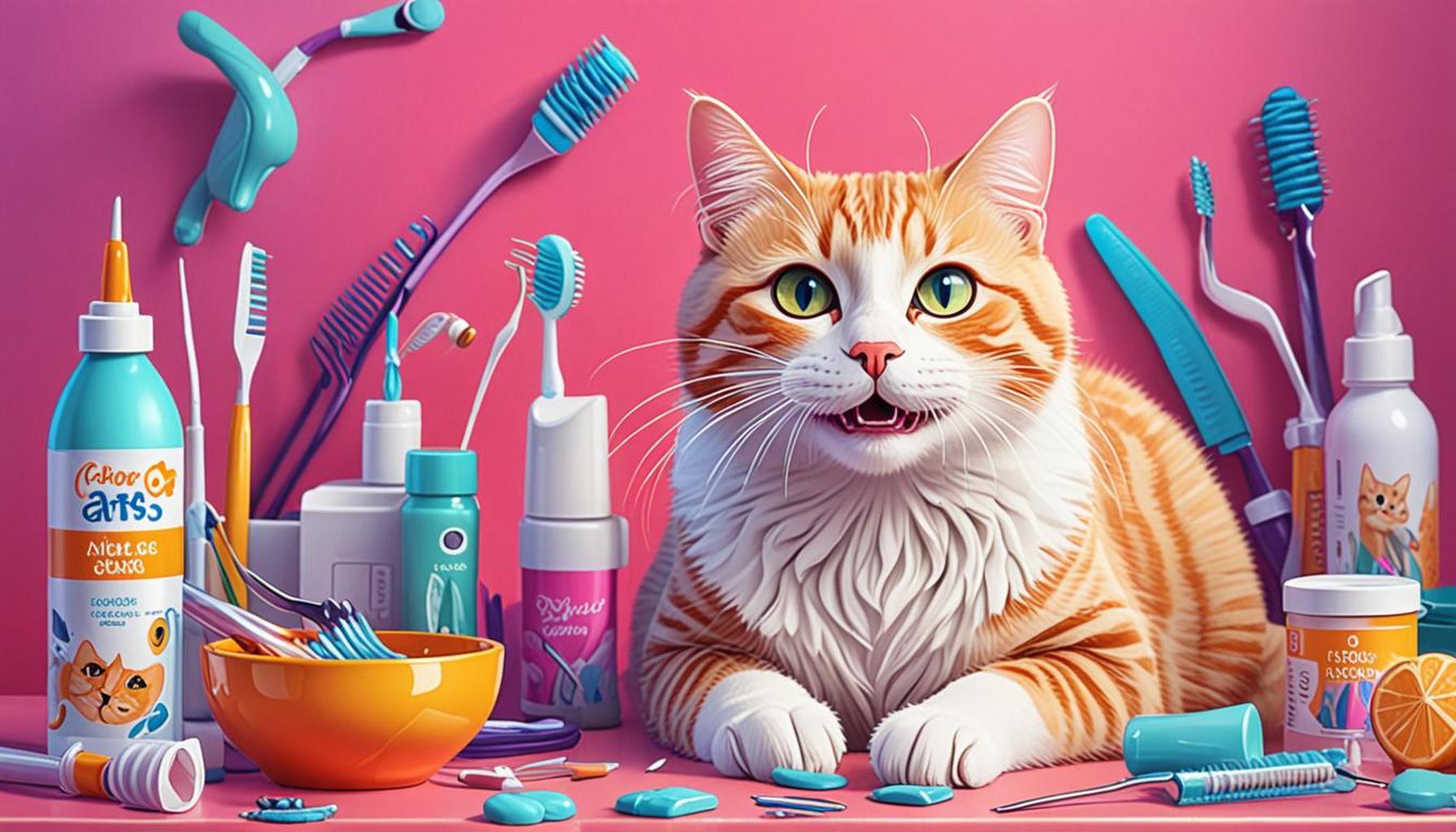
The Importance of Regular Dental Care for Cats
Dental health is an often-overlooked aspect of pet care that demands attention, particularly for our feline companions. Just like humans, cats can suffer from a myriad of dental issues that not only affect their mouth but can also have serious implications for their overall health. Poor dental hygiene can lead to painful conditions such as periodontal disease, which can cause discomfort during eating, lead to tooth loss, and even affect vital organs through the bloodstream. Taking proactive steps in your cat’s dental care can result in a happier, healthier life.
Why Focus on Dental Care?
Highlighting the significance of maintaining your cat’s dental health, here are several compelling reasons to make dental care a priority:
- Prevents Bad Breath: Just like in humans, bad breath in cats can be a sign of underlying dental issues. Regular brushing and dental cleanings can keep your cat’s breath fresh. Consider this: a recent survey indicated that 50% of cats over the age of three suffer from dental disease, leading to odor. Keeping their teeth clean significantly cuts down on this unpleasant side effect.
- Avoids Pain: Cats are notoriously good at hiding discomfort, leading many owners to overlook significant dental problems. Healthy teeth and gums help ensure your cat is free from pain, allowing them to enjoy their food and playtime without discomfort. Knowing that an estimated 70% of cats develop dental disease by three years old can prompt owners to take preventative measures.
- Reduces Vet Visits: Investing time in your cat’s dental care can decrease the frequency and cost of veterinary visits. It’s not uncommon for dental cleanings and extractions to cost hundreds of dollars. By maintaining your cat’s dental hygiene, you can prevent these costly procedures and the stress they bring to both cats and their owners alike.
Simple Steps for Effective Dental Care
Incorporating dental care into your cat’s routine can be straightforward. Pet owners can choose from various methods such as:
- Brushing: Many veterinarians recommend brushing your cat’s teeth regularly. Using a specially designed cat toothbrush and toothpaste, owners can aim for this to become a positive experience for their pet.
- Dental Treats: Many pet food brands offer dental treats specifically designed to reduce plaque while satisfying your cat’s chewing instinct. Look for products endorsed by the Veterinary Oral Health Council (VOHC) for added assurance.
- Regular Check-ups: Scheduling veterinary appointments at least once a year allows professionals to inspect your cat’s mouth for any potential issues. Your vet can also provide thorough cleanings that may be difficult to achieve at home.
Recognizing Warning Signs
A successful dental care routine is also about awareness. Owners should look out for warning signs such as:
- Gum inflammation or bleeding,
- Loss of appetite or difficulty eating,
- Visible tartar buildup on teeth, and
- Changes in behavior, such as increased aggression or withdrawal.
As a responsible cat owner, understanding and implementing effective dental care strategies can prevent serious health issues and enhance the quality of life for your furry friend. With a little effort and education, you can ensure that your cat enjoys a vibrant and healthy existence, free from the discomforts of dental disease. Start today by exploring easy dental care techniques and committing to regular monitoring for a happier, healthier companion.
DISCOVER MORE: Click here to learn about the effects of plant-based diets on pet health
Implementing Daily Dental Routines
Incorporating dental care into your cat’s daily routine can yield significant long-term benefits. Just like humans, cats thrive on consistency, and establishing a regular dental regime from a young age is crucial for fostering good habits. Here are some practical tips to integrate dental care seamlessly into your cat’s life:
- Start Early: If you have a kitten, start brushing their teeth as soon as possible. Familiarizing them with the process from a young age can make it less daunting as they grow older. Gradually introduce them to the toothpaste and toothbrush, allowing them to explore the tools before diving into the cleaning process.
- Use the Right Tools: Investing in the right dental care tools is essential. Choose a pet-safe toothbrush with soft bristles and toothpaste formulated specifically for cats. Regular human toothpaste can be harmful due to its fluoride content, so stick to products designed with feline needs in mind.
- Make it Enjoyable: Turn dental care into a positive experience for your cat. Reward them with praise or a favorite treat after each brushing session. This can create a positive association, making your cat more willing to participate in their dental care.
Opt for Professional Cleanings
While home dental care is important, it’s also beneficial to schedule professional cleanings at your veterinarian’s office. Routine veterinary dental check-ups can help in identifying potential problems before they escalate. During these visits, your vet can perform comprehensive cleanings that remove tartar and plaque buildup that is difficult to tackle with brushing alone.
Furthermore, professional assessments allow the veterinarian to check for oral health issues, such as fractured teeth or signs of gum disease. Research shows that regular dental check-ups significantly reduce the risk of severe dental problems later on.
Explore Dental Diets and Products
An interesting area of dental care for cats is the variety of specially formulated foods and dental products available on the market. Many brands offer dental diets specifically designed to maintain oral hygiene by reducing plaque and tartar buildup. By choosing a high-quality dental food, you can help promote your cat’s dental health while providing them with balanced nutrition.
- Dental Kibble: Consider integrating dental kibble into your cat’s diet. These dry food options often have unique textures that promote chewing, which helps in cleaning the teeth as cats eat.
- Water Additives: Dental water additives are another innovative way to support dental care. These products are designed to be added to your cat’s water bowl and can help to minimize plaque development and freshen breath.
By utilizing these tips for dental health care for cats, cat owners can significantly improve their furry friend’s oral health. A diligent approach that combines daily routines, professional assistance, and specialized diets sets the foundation for long-term dental wellness. With a little commitment and the right strategies, you can ensure your cat enjoys a lifetime of healthy teeth and gums.
Essential Tips for Dental Health Care for Cats
Taking care of your cat’s dental health is vital for their overall well-being. Poor dental hygiene can lead to serious health problems, including infections and diseases that extend beyond the mouth. Here are some key tips to keep your feline friend’s teeth in top condition:
Regular Teeth Brushing
Brushing your cat’s teeth is one of the most effective ways to prevent dental disease. Aim to brush your cat’s teeth daily using a toothbrush and toothpaste formulated specifically for cats. Start by getting your cat accustomed to having its mouth touched and gradually introduce the toothbrush.
Dental Chews and Toys
Giving your cat dental chews or toys designed to promote dental health can also be beneficial. These products help reduce plaque and tartar buildup, improving oral hygiene while making playtime much more enjoyable. Look for products that have the Veterinary Oral Health Council (VOHC) seal for assurance of effectiveness.
Routine Veterinary Check-ups
Scheduling regular veterinary check-ups is crucial. During these visits, your veterinarian will perform a comprehensive dental examination and may recommend professional cleanings as needed. Early detection of dental problems can make all the difference in your cat’s health.
Introduce a Mouth Rinse
Consider using an oral rinse designed for cats that can help reduce plaque and freshen breath. These rinses can easily be added to your cat’s routine without the stress of brushing.
Monitor Dietary Choices
Select a high-quality cat food that supports dental health. Certain dry foods are formulated to help reduce plaque and tartar, while wet food can be beneficial for hydration but should be balanced with dental care products to ensure optimal dental health.
Advantages of Implementing Dental Care Routines
| Category | Key Benefits |
|---|---|
| Preventive Care | Reduces risk of dental disease and systemic health issues. |
| Fresh Breath | Enhances your cat’s comfort and social interaction. |
By implementing these essential dental health care tips, you can ensure that your beloved feline enjoys a healthy and happy life. Explore more ways to improve your cat’s dental hygiene and overall well-being.
DISCOVER MORE: Click here to learn about your pet’s dietary needs
Recognizing Signs of Dental Issues
As a cat owner, it’s essential to stay vigilant about your feline friend’s oral health. Being able to recognize signs of dental issues can prevent unnecessary pain and expensive treatments down the line. Here are some common symptoms you should watch for:
- Bad Breath: While some odor is normal, persistently foul breath—also known as halitosis—can indicate tooth decay or gum disease.
- Difficulty Eating: If you notice your cat struggling to eat or preferentially avoiding certain types of food, it may be due to dental pain or discomfort.
- Excessive Drooling: While cats may drool occasionally, excessive salivation paired with other symptoms could signal a dental issue.
- Red or Swollen Gums: Healthy gums should be pink and firm. If you observe redness or swelling, it may indicate gingivitis or other periodontal problems.
- Changes in Behavior: Increased irritability or withdrawal from social interactions can hint at unseen discomfort, including dental pain.
If you observe any of these signs, it’s important to consult your veterinarian for a thorough examination. Early intervention can lead to more effective treatment and a better prognosis.
Utilizing Dental Toys and Chews
The market is flooded with dental toys and chews specifically designed to promote oral health in cats. Engaging with these products can not only keep your cat entertained but can also greatly benefit their dental hygiene. Here are some effective options:
- Dental Chews: Look for chewable toys that are designed to scrape off plaque and tartar while your cat gnaws on them. Many of these come infused with flavors that cats find appealing, such as chicken or seafood.
- Catnip-Infused Toys: Many dental toys are infused with catnip to encourage play. As your cat plays and chews on these toys, they help to naturally clean teeth and massage gums.
- Rubber and Nylon Toys: Durable rubber or nylon toys can provide a great texture for cats. They can chew on them for hours, helping to reduce plaque buildup.
Involving your cat in playtime with these dental toys not only promotes exercise but also creates a fun atmosphere that reinforces positive dental habits.
Educating Yourself on Cat Dental Care
Being proactive is vital when it comes to maintaining your cat’s dental health. Educating yourself about feline dentistry can provide you with the necessary knowledge to care for your cat more effectively. Several resources are available:
- Veterinary Resources: Your veterinarian can provide valuable insights into the best practices for dental care, tailored to your cat’s specific needs.
- Online Communities and Forums: Engage with fellow cat owners in online forums where you can discuss experiences, tips, and recommendations about dental health care for cats.
- Books and Guidelines: Numerous publications focus on feline health. Look for books that specifically cover dental care to deepen your understanding and find practical solutions.
By investing your time in education, you can enhance your skills in recognizing potential dental problems and providing effective care. With a wealth of information at your fingertips, you can ensure that your cat remains healthy and happy for years to come.
DISCOVER: Click here to learn how to create an exercise routine for your pet
Conclusion: Prioritizing Your Cat’s Dental Health
In conclusion, maintaining dental health for cats is an integral part of comprehensive pet care that often goes overlooked. By taking proactive steps such as recognizing potential dental issues, engaging in regular oral hygiene practices, and utilizing specialized dental toys, you can significantly improve your cat’s quality of life. Remember that early detection is key; being observant to signs of discomfort or changes in behavior can lead to timely veterinary intervention and more effective treatments.
As a responsible cat owner, it is vital to educate yourself about your cat’s dental needs. Make use of various resources, including veterinary consultations, online platforms, and relevant literature, to enhance your knowledge and skills in feline dental care. Implementing these tips for dental health care for cats not only ensures healthier teeth and gums but also promotes overall well-being and longevity in your pet.
Moreover, fostering a routine that incorporates dental care into your cat’s daily life can be enjoyable for both you and your feline companion. By integrating dental playtime with quality bonding moments, you’re not just addressing health concerns but also enriching your cat’s emotional and physical health. So, embark on this journey of dental wellness, and ensure that your cat enjoys many happy and healthy years by your side.