
Local Initiatives: Animal Adoption Programs in Communities and Their Impact

Raising Awareness Through Community Initiatives
Across the United States, local communities are championing the cause of animal welfare through innovative animal adoption programs. These initiatives not only provide homes for neglected pets but also foster a sense of connection among residents. The ripple effect of these programs can be profound, impacting both animals and their human counterparts.
Increased Adoption Rates
Communities report higher adoption rates as these programs create awareness and accessibility. For instance, cities like Austin, Texas, have implemented creative marketing campaigns that promote adoptable pets on social media platforms, making it easier for potential pet owners to find their perfect match. According to a report from the ASPCA, cities with active adoption campaigns have seen a significant increase in adoptions, reducing the numbers at local shelters. Adoption events paired with clear success stories allow individuals to visualize the potential bond they could share with a rescue animal.
Reduced Stray Populations
Targeted efforts decrease the number of homeless animals on the streets. Programs that focus on spaying and neutering pets not only lower birth rates among strays but also educate pet owners on the responsibilities that come with pet ownership. For example, the “Fix Your Dog” initiative in Los Angeles has effectively reduced the stray dog population by offering free or low-cost sterilization options to pet owners. This proactive approach has led to healthier pets and safer neighborhoods, as fewer strays result in reduced instances of animal control calls.
Public Engagement
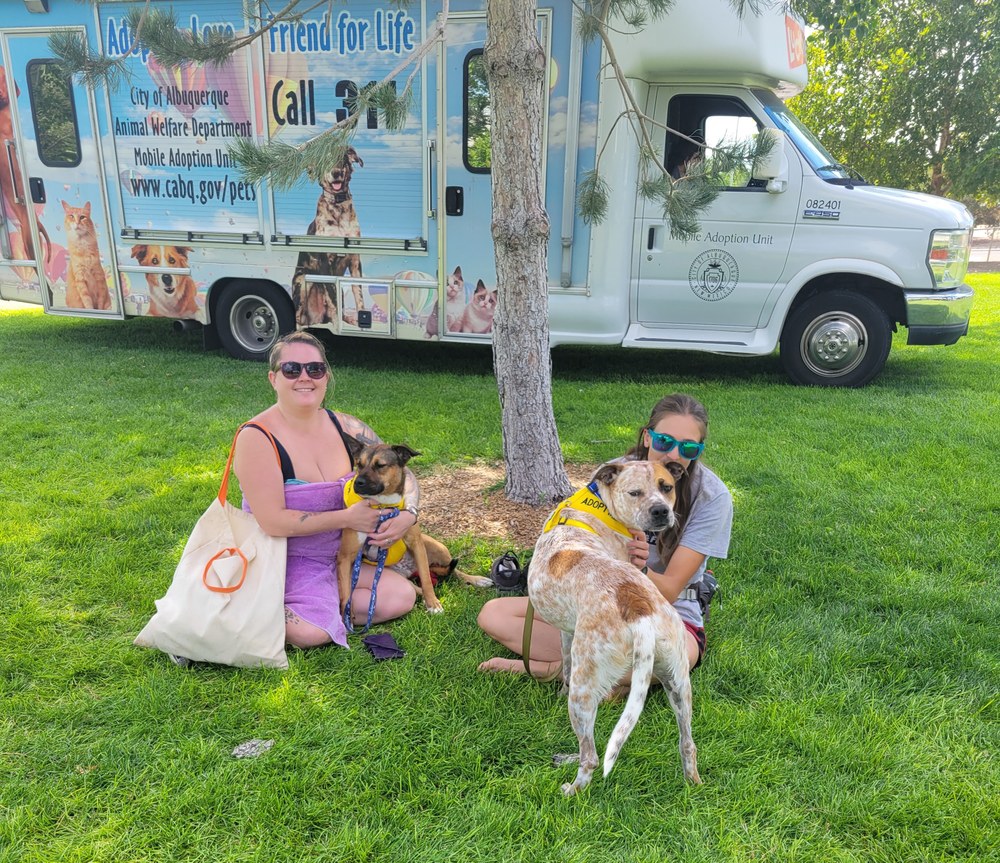
Events like adoption fairs encourage volunteerism and community involvement, fostering a culture of compassion. Organizations such as the Humane Society of the United States organize community outreach programs that train volunteers to assist in animal care, enabling them to connect with both the animals and fellow community members. Such engagement not only aids in finding homes for pets but also strengthens the bond among community members, whether through shared experiences at an adoption event or collaborations in fundraising efforts.
Educational Workshops and Success Stories
Many programs incorporate educational workshops aimed at fostering responsible pet ownership and advocating for animal rights. These workshops often cover topics such as training techniques, nutrition, and health care for pets, ensuring that new pet owners are well-prepared for the responsibilities they are taking on. Success stories from individuals who have adopted shelter animals reinforce the benefits of these programs, demonstrating a clear link between animal rescue and community wellness. Stories of resilience, like that of a once-abandoned dog who became a certified therapy animal, can inspire others to adopt and contribute to the cause.
A Vibrant Ecosystem of Support
As we delve deeper into the realm of animal adoption programs, it’s essential to explore their multifaceted effects on our neighborhoods. By promoting these local initiatives, communities not only uplift animals but also enrich the lives of their residents. Through collaboration, education, and compassion, local programs create a vibrant ecosystem of support and love for those who cannot speak for themselves. The connection between shelter animals and the families who adopt them cultivates an environment where empathy thrives, thus making each neighborhood a better place.
DIVE DEEPER: Click here to learn more
Transforming Lives Through Adoption
Animal adoption programs are more than just solutions for stray populations; they are lifelines connecting humans and animals in need. As communities rally around these initiatives, they foster profound transformations that affect the very fabric of society. People from diverse backgrounds come together, united by a common goal: to provide a safe haven for animals while enriching their own lives.
Collaborative Partnerships
Successful animal adoption programs often thrive on collaborative partnerships between local shelters, pet rescue organizations, and community groups. For instance, partnerships between shelters and local businesses can offer incentives for pet adoptions. Businesses might provide discounts to new pet owners, thereby encouraging adoptions while boosting their own customer base. This cooperative spirit extends to city governments and nonprofit organizations, which can pool resources and funding to create more comprehensive outreach campaigns. In cities like Portland, Oregon, these partnerships have not only improved adoption rates but also heightened community awareness around animal welfare.
Innovative Outreach Strategies
Modern technology has become an invaluable asset in promoting animal adoption programs and facilitating community engagement. Social media platforms serve as virtual arenas where local shelters can showcase their available pets through visually engaging campaigns. For example, the popular #AdoptDontShop movement has garnered millions of views and has successfully led to increased foot traffic in local adoption events. Additionally, virtual adoption fairs offer a convenient way for prospective pet owners to browse animals from the comfort of their homes, reducing barriers to commitment.
Community Health Benefits
The impact of adopting a pet extends beyond individual homes; it resonates throughout the community, contributing to overall public health. Studies have shown that pet ownership can lower stress levels, combat loneliness, and even enhance physical activity. Furthermore, adopting an animal promotes compassion, responsibility, and empathy—qualities that can elevate community morale. Community-led initiatives, like “Paws for a Cause” in Chicago, create wellness programs that integrate shelter animals into therapeutic settings, enhancing mental health support for residents while offering animals a chance to bond with caring individuals.
Successful Adoption Stories that Inspire Change
Animal adoption programs are rich with success stories that inspire others to make a difference. When residents share their experiences, it often creates a ripple effect, encouraging others to consider adoption. Local news segments or social media features celebrating individual success stories create a powerful narrative that highlights the joy and companionship rescuing a pet can bring. For example, the story of a young girl with autism who formed a strong bond with her rescue cat illustrates how animals can change lives, fostering greater understanding and acceptance within the community.
A Commitment to Lifelong Support
Finally, one of the most impactful aspects of animal adoption programs is their commitment to providing lifelong support to adopters. Many shelters offer resources such as training classes, behavioral advice, and health care information to ensure a successful adoption process. This ongoing support not only empowers pet owners but also helps mitigate potential issues that may lead to animals being returned to shelters. Communities that prioritize accessible resources create a more sustainable model of pet ownership, ultimately benefiting both animals and humans alike.
| Community Engagement | Support and Resources |
|---|---|
| Fostering Volunteerism | Increasing Local Resources |
| Animal adoption programs mobilize community members to engage as volunteers, enriching social bonds and nurturing a culture of compassion. | Such initiatives often lead to an increase in local funding and resources, ensuring better care and support for the animals in need. |
| Awareness and Education | Community Health |
|---|---|
| Promoting Animal Welfare | Improving Safety and Hygiene |
| The programs enhance community awareness about responsible pet ownership, leading to a decrease in stray animals and fostering a stronger animal welfare environment. | By reducing the stray dog population, these initiatives contribute to increased public safety and improved community health outcomes. |
Local initiatives focused on animal adoption not only save lives but also enrich communities through enhanced engagement, education, and overall well-being. By participating in or supporting these programs, community members help build a more responsible and informed society regarding animal care and welfare. This combined effort showcases the powerful impact local initiatives can have on both animals and residents, sparking greater interest and investment in these vital programs.
DIVE DEEPER: Click here to learn more
Engaging the Community: Local Initiatives and Their Success
The essence of successful animal adoption programs lies in their ability to engage the community on multiple levels. By actively involving residents and local stakeholders, these programs can foster a culture of compassion and responsibility towards animals. This communal engagement not only benefits the animals but also strengthens neighborhood bonds, creating a sense of shared purpose.
Education and Awareness Campaigns
Educational initiatives play a pivotal role in animal adoption programs, raising awareness about the importance of adopting over purchasing pets. Local shelters often conduct workshops, school programs, and public events aimed at teaching children and adults about animal care, responsible ownership, and the realities facing strays. For instance, programs in Los Angeles schools incorporate curriculum activities that center around humane education, encouraging a new generation to advocate for animal welfare. These campaigns often resonate with families, providing an interactive approach that transforms perspectives and inspires action.
The Role of Volunteerism
Volunteers are the backbone of many animal adoption programs, providing invaluable support ranging from animal care to community outreach. Programs across the United States are seeing a surge in volunteer participation, driven by the commitment to make a difference in their communities. In New York City, initiatives like “Foster a Dog” have enabled volunteers to take care of shelter dogs, helping them become more adoptable. Moreover, these volunteer workers often share their experiences on social media, showcasing the positive aspects of fostering or adopting pets, thereby encouraging others to join the cause.
Innovative Funding Solutions
To sustain animal adoption programs, innovative funding strategies have emerged, ensuring that these initiatives can continue to thrive. Certain cities have created animal welfare funds supported by local government budgets, grant programs, and community fundraising. In San Francisco, the Animal Care and Control department partners with local businesses to host fundraising events that directly benefit shelter animals. Initiatives often include fun runs, pet fairs, and even auctions, all aimed at generating funds and fostering community spirit. Such funding efforts demonstrate the community’s commitment to animal welfare and allow programs to expand their outreach services.
Fostering Inclusivity and Diversity
Inclusivity and diversity are becoming central themes in animal adoption programs, addressing barriers that different demographics may face when considering pet adoption. Programs are now designed to reach underrepresented communities, offering translation services, transportation assistance, and financial aid for adoption fees. In Houston, a program targeting low-income neighborhoods has been successful in connecting families with pets, emphasizing the importance of diversity in animal ownership. By focusing on inclusivity, these programs not only enrich the lives of animals but also serve to promote cultural understanding and acceptance within communities.
Empowering Local Voices
Local initiatives empower residents by giving them a voice in decision-making processes concerning animal welfare in their communities. This empowerment often translates into volunteer-led committees that address specific needs—such as developing spay-and-neuter initiatives or providing shelters for feral cats. For example, in Seattle, a resident-driven task force worked with local government agencies to create programs addressing the rise in stray cat populations, leading to actionable solutions that inspire other cities to follow suit. By allowing local citizens to take charge, communities foster a greater sense of ownership and commitment to animal welfare.
DISCOVER MORE: Click here for essential tips
Conclusion: The Ripple Effect of Local Animal Adoption Initiatives
Local initiatives in animal adoption programs are proving to be transformative forces within communities across the United States. By fostering community engagement, these programs not only secure loving homes for countless animals but also enhance the social fabric of neighborhoods. Through education and awareness campaigns, residents become more informed and compassionate towards the needs of animals, leading to a stronger advocacy for animal rights. Programs that tap into the invaluable resource of volunteerism harness the passion of citizens who are eager to make a difference, significantly enhancing the reach and effectiveness of shelter initiatives.
Innovative funding strategies also ensure the sustainability of these vital programs, as they leverage community support to maintain and expand resources, such as medical care and outreach services. A focus on inclusivity and diversity allows organizations to address the various barriers faced by potential adopters, ensuring that pet ownership is accessible to all, regardless of economic status or background.
Importantly, local initiatives serve to empower communities, giving residents a platform to voice their concerns and contribute actively to animal welfare solutions. This sense of ownership cultivates a lasting impact that extends beyond pet adoption—it builds a culture of responsibility, empathy, and connection among community members.
As more communities recognize the profound impact of animal adoption programs, we can anticipate a future where the humane treatment of animals is a shared goal. Ultimately, these local initiatives act as catalysts for positive change, reminding us of the reciprocal relationship we have with our animal companions and the responsibility we hold in creating a compassionate society.