
The Essential Steps in the Pet Adoption Process

The Importance of Researching Adoption Agencies
When embarking on the journey of pet adoption, the first step is researching various adoption agencies and shelters. Each organization has its own mission, policies, and community involvement, which can greatly influence your adoption experience. Some shelters focus on specific breeds, such as golden retrievers or bulldogs, while others may house a diverse array of animals. Researching these options is crucial to ensure that you find an agency that aligns with your values and expectations.
In the United States, there is a mix of public and private shelters, as well as breed rescue organizations. Public shelters, often run by city or county governments, can sometimes be overwhelmed with animals needing homes, making them a key resource in pet adoption. Conversely, private shelters and rescue groups often provide more individualized care and may specialize in specific breeds or types of animals. Websites like Adopt a Pet or Petfinder can help you locate shelters near you and give insight into their adoption policies and available pets.
Grasping Pet Needs
Understanding the unique needs of different pets is another fundamental aspect of the adoption journey. Each animal comes with specific requirements, from dietary preferences to exercise needs and grooming habits. For example, a high-energy dog such as a border collie will require substantial daily exercise and mental stimulation, making it necessary for prospective owners to be active and engaged. On the other hand, a more laid-back breed, like a French bulldog, may be content with shorter walks and playtime.
Beyond physical needs, it’s crucial to consider temperamental factors. Some pets thrive in energetic households with children, while others may be more suited to quiet environments. A thorough assessment of your lifestyle and home dynamics will help you determine the right match for your family.
Creating a Safe and Welcoming Environment
Preparing your home for a new pet can enhance the transition significantly. This means ensuring your living space is safe and comfortable, devoid of hazardous items and accessible to your new companion. For dogs, this may involve securing garbage cans, covering electrical cords, and making sure hazardous plants are out of reach. For cats, the addition of vertical spaces like cat trees can create a stimulating environment where they feel secure and entertained.
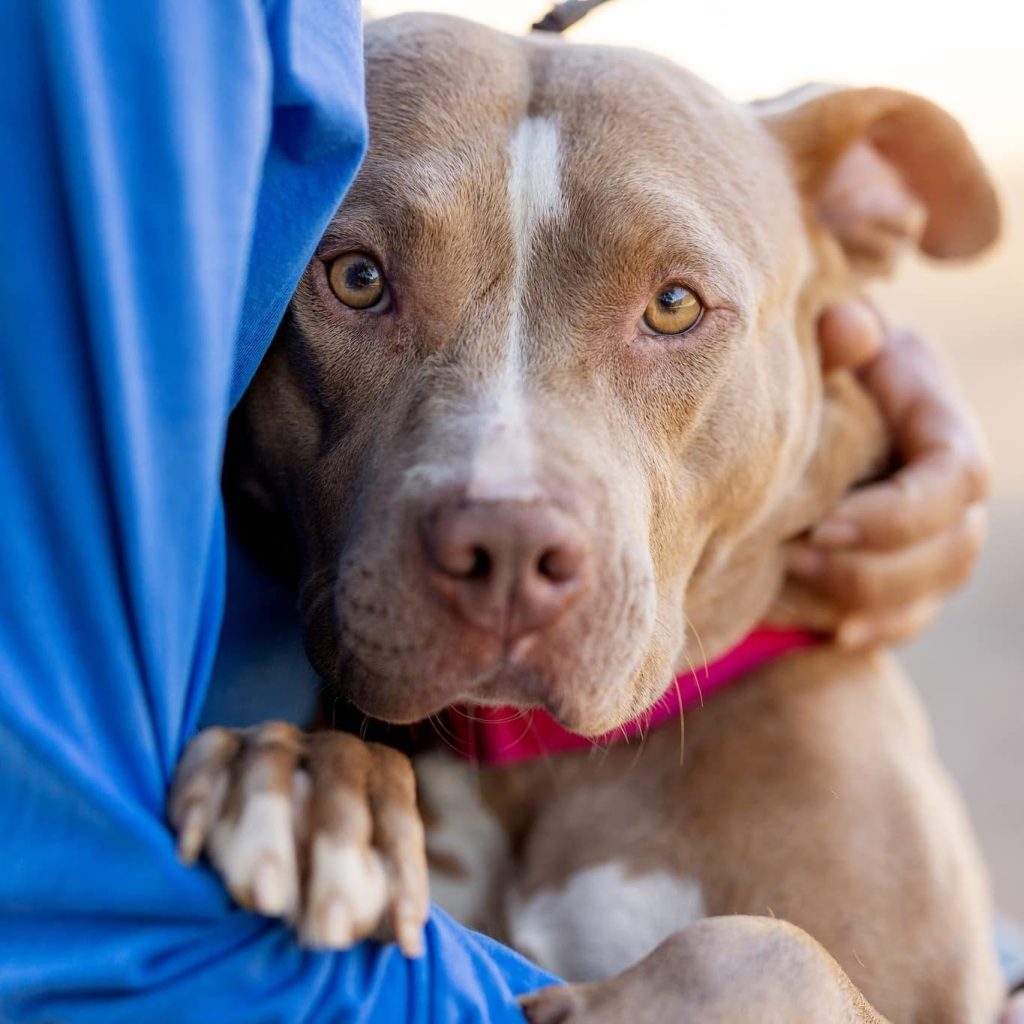
Moreover, having essential supplies, such as food bowls, toys, and a cozy bed, will immediately give your new pet a sense of belonging. Taking the time to set up your space emphasizes your commitment to providing a loving and stable home.
These key aspects of the pet adoption process not only prepare you effectively but also assure that the animals you adopt are welcomed into a suitable environment. By focusing on research, understanding pet needs, and preparing your home, you set the foundation for a lasting relationship with your new friend. Join us as we explore further into each of these vital steps, offering insights and practical tips to enrich your journey of pet adoption. Every step is a chance to make informed decisions, leading to a successful and fulfilling experience. After all, choosing to adopt is not merely about finding a pet; it’s about giving a deserving animal a loving forever home.
DISCOVER MORE: Click here to learn about the importance of dental hygiene for your pet’s health
Understanding the Adoption Application Process
Once you have done your research on adoption agencies and shelters, the next critical step in the pet adoption process is to navigate the adoption application. This formal procedure acts as the bridge between you and your future furry friend, aimed at ensuring a good match and a successful transition. Different organizations may have varied application processes, but most tend to follow similar guidelines. Being prepared and understanding what to expect can significantly ease this process.
The application typically includes personal details, such as your name, address, and living situation. Additionally, you may be asked questions regarding your experience with pets, your current household composition, and your plans for the pet after adoption. For example, you might need to specify whether you have children, other pets, or elderly family members who will interact with the new pet. This information helps shelters assess if you can meet the needs of the animal and if the animal is suited for your home environment.
The Interview Process
In many cases, shelters will require an interview as part of the adoption process. This may seem daunting, but think of it as a conversation rather than a test. The interview is an opportunity for the shelter staff to get to know you better and evaluate your compatibility with the pet you wish to adopt.
During the interview, staff might ask about your lifestyle, your familiarity with different breeds, and any plans for training or socialization. It’s advisable to approach this dialogue openly, providing honest answers while also being ready to ask questions about the animal’s behavior and care requirements. This exchange of information can lead to a better understanding of how the pet will fit into your life, ensuring that everyone involved is prepared for the responsibilities ahead.
Home Checks and References
Some adoption agencies may conduct home checks or request references from past pet owners or landlords. Home checks serve to assure the shelter that your living environment is safe for a new pet. They will look for hazards as discussed earlier, and assess if your home meets specific physical needs depending on the type of animal you are adopting. Having essential items and facilities in place can expedite this process.
For references, be prepared to provide contact information for individuals who can vouch for your capability in providing a nurturing home. These may include friends, family, or even veterinarians. Positive endorsements can help demonstrate to the shelter that you are committed to responsible pet ownership.
Application Approval and Adoption Fees
Upon completion of your application and any required interviews, the agency will review your application. If approved, you’ll often be required to pay an adoption fee, which helps cover the costs of caring for the animals, including vaccinations, spaying or neutering, and any necessary medical treatments. While these fees can vary significantly from one shelter to another, they typically range from $50 to several hundred dollars.
This fee not only supports the shelter but also is an indication that you are seriously committing to the responsibilities of pet ownership. Understanding this aspect fosters a sense of accountability, ensuring that you are ready for the journey ahead.
With the adoption application process thoroughly navigated, you are one step closer to welcoming your new furry companion into your life. Adopting a pet is a profound commitment, and these procedural steps exist to facilitate successful and lasting matches between animals and their forever homes.
The Essential Steps in the Pet Adoption Process
Adopting a pet is a rewarding journey that goes beyond just acquiring a new companion; it is a commitment that involves understanding the responsibilities involved and the joy that pets can bring to our lives. With so many animals in need of loving homes, following the essential steps in the pet adoption process ensures that both the adopter and the animal are well-suited for one another. Here, we delve deeper into these essential steps while also highlighting important considerations to keep in mind throughout the process.
| Advantage | Details |
|---|---|
| Saving Lives | By adopting, you are providing a home to a pet in need, thus actively contributing to reducing the number of animals in shelters. |
| Cost-Effectiveness | Adoption fees are generally lower than purchasing a pet from a breeder, and many shelters also provide initial vaccinations, spaying, and neutering. |
| Variety of Choices | Shelters offer a wide range of breeds, sizes, and ages, giving you the opportunity to find the perfect match for your lifestyle. |
| Support and Guidance | Adoption organizations often provide resources and support to new pet owners, which can help with the adjustment period and offer training tips. |
As you navigate through the pet adoption process, it’s essential to consider your lifestyle and how much time you can dedicate to a new furry friend. Understanding the responsibilities and long-term commitment involved in pet ownership is crucial for ensuring that your new companion finds a loving and permanent home. Additionally, thinking about the specific needs of the animal, such as exercise and socialization, can significantly impact the success of your adoption journey.
Moreover, potential adopters should engage in open conversations with shelter staff. They can offer insights into an animal’s behavior and history, helping you to make an informed decision about the right pet for your family. This proactive approach enhances the likelihood of a harmonious relationship and shows your readiness to embrace the joy that comes with pet ownership.
DISCOVER MORE: Click here to learn about breed-specific diets
Preparing for Your New Pet
Once you’ve successfully navigated the adoption application process and received approval, the excitement of welcoming your new pet into your home begins. However, preparation is essential to ensure a smooth transition for both you and your new companion. From creating a pet-friendly environment to understanding the specific needs of your animal, there are several crucial steps you should take.
Creating a Safe and Comfortable Environment
Before bringing your new pet home, it’s vital to prepare your living space. Consider the following recommendations to help create a safe environment:
- Remove Hazards: Check for items that could pose a danger to your pet, such as toxic plants, small objects that can be swallowed, or electrical cords that may be chewed on.
- Designate Areas: Determine areas where your pet can roam freely. If you have specific “no pet” zones, such as bedrooms or the kitchen, use gates to restrict access.
- Comfort Items: Provide essentials such as a bed, water and food bowls, and some toys. A comfortable space can help ease their nerves during the transition.
By taking the time to make your home pet-friendly, you are setting the stage for a harmonious relationship that will last for years to come.
Gathering Essential Supplies
While it may seem overwhelming, acquiring the right supplies ahead of time ensures your pet’s health and happiness. Here are some must-have items to consider:
- Food and Water Bowls: Choose sturdy bowls that are appropriate for your pet’s size.
- Quality Pet Food: Consult with the shelter regarding the type of food your pet has been eating and consider any dietary restrictions.
- Collars and Leashes: For dogs, investing in a proper collar with an ID tag and a sturdy leash is essential for walks and safety.
- Crate or Carrier: These can provide a safe space for your pet and assist with transportation, particularly for cats and smaller animals.
- Grooming Supplies: Depending on the breed, you may need brushes, nail clippers, or shampoos.
Investing in quality items will enhance your pet’s care and comfort.
Understanding Your Pet’s Needs
Each pet comes with its own unique personality, breed characteristics, and required level of care. Researching your specific pet type is essential in understanding their needs, especially in terms of training, exercise, and social interactions. Here are some tips to keep in mind:
- Training: Many pets benefit from basic training to help them adapt to their new home. Consider enrolling in training classes that focus on obedience, socialization, or even specific behaviors tailored to your pet’s needs.
- Regular Vet Visits: Schedule an initial vet check-up soon after adoption. Vaccinations, spaying or neutering, and preventive care are crucial for keeping your pet healthy.
- Daily Exercise: Depending on the breed, exercise requirements can differ significantly. Ensure you are prepared to meet these needs with daily walks, playtime, or engaging activities.
Being educated about your pet’s needs will help you create a loving and nurturing environment that fosters a positive bond.
Integration into Your Family
Introducing your new pet to your family, including other pets, requires careful planning. Consider the temperament of your new pet as well as your current pets, as introductions can be crucial in establishing a peaceful household. Gradual introductions can often lead to more successful and comfortable experiences and can be approached with these steps:
- Controlled Introductions: Begin with short, supervised meetings to allow your pets to become familiar with each other’s scent and presence.
- Separate Spaces: Initially, provide separate areas for each pet. This gives everyone the chance to adjust without feeling overwhelmed.
- Positive Reinforcement: Use treats and praise to encourage good behavior during introductions, which helps build a positive association with their new companion.
By taking the time to prepare adequately and fostering a gentle integration process, you set up the potential for a loving and harmonious home for both your family and your new pet.
DON’T MISS OUT: Click here to uncover the link between stress and dog behavior
Conclusion: Making a Difference Through Pet Adoption
As we conclude our exploration of The Essential Steps in the Pet Adoption Process, it becomes clear that adopting a pet is a decision filled with joy as well as responsibility. Ensuring that you choose the right companion, going through the proper channels for adoption, and preparing for their arrival in your home sets the foundation for a mutually fulfilling relationship. Each step—from understanding the needs of your new pet to creating a safe environment and facilitating a smooth integration into your family—plays a pivotal role in this enriching journey.
The impact of pet adoption extends beyond just providing a home for an animal in need; it creates a profound bond that can heal, inspire, and bring unlimited joy to your life. Remember, the preparation does not end once your new pet is home. Continuous learning about their well-being needs, maintaining routine veterinary care, and responding to their unique characteristics will nurture the lasting relationship you seek.
Each pet has the potential to enrich our lives in extraordinary ways, and successfully navigating the adoption process is a crucial part of ensuring their happiness, health, and integration into your home. As you consider adopting, reflect on both the responsibilities and the immense rewards this decision entails. Open your heart, do your research, and with a little preparation, you’re not just welcoming a pet; you’re inviting love and companionship into your life. Embrace the journey, and make a positive impact—one paw at a time.