
The Role of Social Media in Promoting Animal Adoption

Transformative Role of Social Media in Animal Adoption
The digital age has revolutionized communication in many arenas, none more so than in animal welfare. Social media platforms such as Facebook, Instagram, and Twitter play an indispensable role in enhancing the visibility of animal adoption efforts. These platforms enable shelters to reach thousands, if not millions, of potential adopters from the comfort of their own homes. The urgency of the matter cannot be understated; the ASPCA reports that over 6 million animals enter shelters across the U.S. annually, many in dire need of a permanent, loving home.
One critical element in the success of social media in animal adoption is visual storytelling. Research has demonstrated that visuals, particularly compelling images and videos, can significantly influence people’s emotions and decision-making. For example, profiles that showcase pets in playful or heartwarming scenarios often drive engagement. Organizations like the Pet Animal Welfare Society frequently post videos that highlight the individual personalities of animals, fostering an emotional connection that text alone often fails to achieve. These images can go viral, reaching far beyond the initial audience and prompting friends and followers to share their own experiences, thereby amplifying outreach and impact.
Another significant feature is the platforms’ wide reach. With each post being potentially shareable, pet adoption stories can cascade through social networks at astonishing speeds. A single post featuring a lovable dog or cat can be shared by hundreds, turning it into a campaign that targets various demographics. Locally focused organizations, like the Los Angeles Animal Services, have utilized hashtags effectively to heighten visibility during their campaigns, allowing them to connect with a broader audience, including individuals who may not have been previously aware of the shelter.
Engagement and community-building are also crucial aspects. Social media fosters a sense of community among animal lovers who share stories of their pets, thus promoting local shelters and adoption events. Organizations like the North Shore Animal League America leverage user-generated content by encouraging adopters to share photos of their newly adopted pets, creating a sense of pride and collective effort within the community. These narratives not only encourage new adopters but also inspire current pet owners to advocate for continued support of local shelters.
While the benefits of utilizing social media for animal adoption campaigns are evident, challenges persist. The competition for attention is fierce, with countless messages vying for public interest daily. Additionally, shelters often grapple with limited resources and technological know-how, which can impede their outreach efforts. Nonetheless, the potential remains vast; as technology continues to evolve, so too do opportunities for innovative approaches to animal adoption.
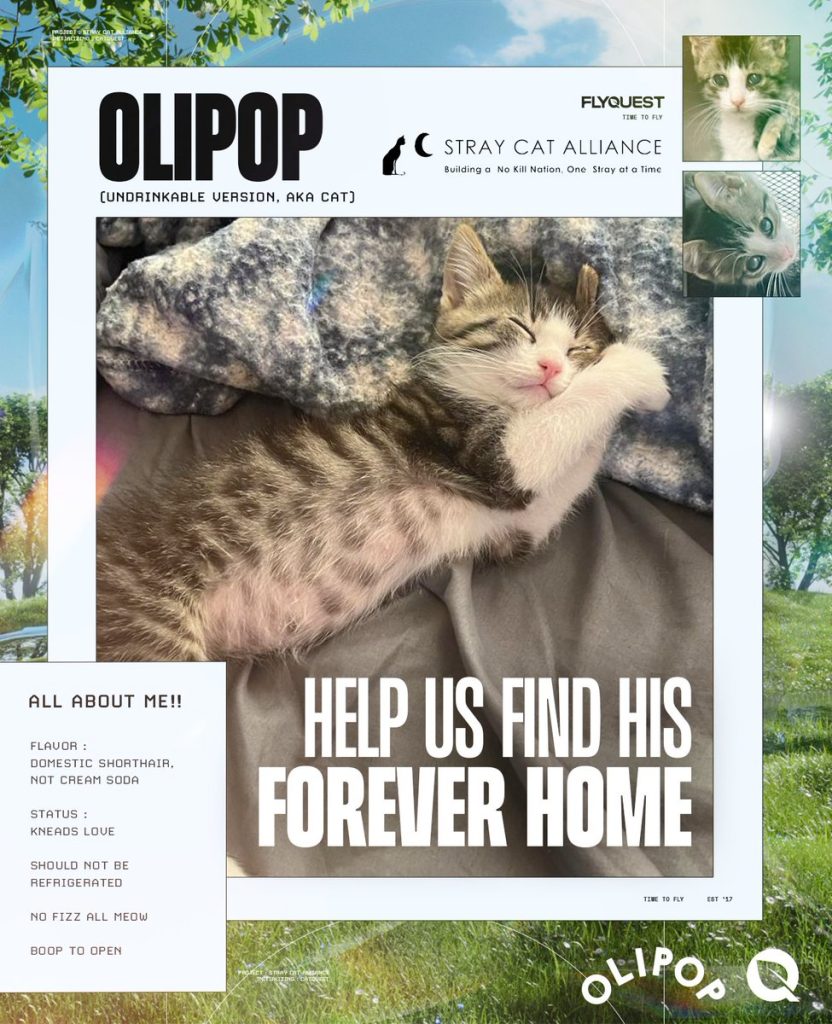
In conclusion, the powers of social media in fostering animal adoption are profound yet complex. By harnessing visual storytelling, expanding outreach, and building communities, organizations are making strides in placing animals into loving homes. As we advance, continuous exploration and adaptation of these digital tools will be vital in the ongoing quest for animal welfare.
DISCOVER MORE: Click here to learn about the benefits of raw diets
Visual Storytelling: A Gateway to Adoption
In the realm of animal adoption, visual storytelling has emerged as a powerful tool that not only captures attention but also elicits emotional responses. Platforms like Instagram and TikTok, where visuals reign supreme, have become sanctuaries for captivating animal content. Research indicates that posts featuring animals in playful settings or candid moments leave a lasting impact, often leading to increased interactions and shares. For instance, one viral post showcasing a dog winning over a child’s heart can prompt a cascade of shares and likes, exponentially increasing the animal’s visibility and adoption potential.
Moreover, organizations such as the Brooklyn Animal Resource Coalition utilize this type of impactful imagery to create campaigns that depict pets in their best light. By focusing on their quirks, talents, and unique personalities, shelters can craft narratives that resonate deeply with potential adopters. These stories not only humanize the animals but also foster an intrinsic connection with the audience, which can ultimately drive adoption rates.
Expanding Outreach Through Digital Channels
Another significant advantage of social media is its ability to expand outreach far beyond geographical borders. Traditional methods of promoting animal adoption—such as flyers or local events—limit exposure to a confined audience. In contrast, a single post can garner traction on a global scale. Animal shelters have increasingly recognized the importance of hashtags and trending topics in their outreach strategies. For example, using tags related to national pet adoption events, like #AdoptDontShop, can help local shelters tap into a broader conversation, attracting potential adopters from across the nation.
- Real-Time Updates: Social media allows shelters to provide real-time updates about available pets, special adoption events, and success stories, keeping the audience engaged.
- Community Engagement: Engaging with local animal lovers fosters loyal follower bases who champion adoption efforts.
- Influencer Partnerships: Collaborations with pet influencers can lead to skyrocketing interest in particular animals, as their followers are exposed to the pets’ needs.
Platforms like Facebook and Twitter further facilitate this outreach by allowing shelters to create dedicated event pages for adoption drives. By inviting users to attend—and encouraging them to share the events on their own profiles—organizations can create a community event that garners significant attention. The viral nature of social media ensures that these events are not just observed but actively participated in, with users rallying their friends and family to join the cause.
As animal welfare organizations continue to refine their strategies on social media, it’s clear that an adaptive approach is essential. With tools at their disposal to create compelling visual content, broaden outreach, and foster engagement, shelters are positioned uniquely to transform the landscape of pet adoption. The potential to save lives through the strategic use of social media is immense, redefining how communities come together to advocate for animals in need.
The Impact of Social Media Platforms on Animal Adoption Rates
As animal shelters and rescue organizations face overwhelming numbers of stray and abandoned animals, social media emerges as a vital tool in their fight for adoption. The fast-paced world of social media offers unique opportunities to reach potential adopters in ways that traditional methods cannot. By utilizing platforms like Facebook, Instagram, and Twitter, shelters can showcase animals in engaging ways, creating an emotional connection and motivating individuals to consider adoption.
| Advantage | Description |
|---|---|
| Wider Reach | Social media platforms allow shelters to connect with a larger audience beyond local boundaries. |
| Visual Storytelling | Pictures and videos of animals help in creating emotional appeals that drive adoption rates. |
With compelling visuals and heartwarming stories, organizations can present each animal’s personality and backstory. This strategy not only helps in capturing attention but also fosters a sense of urgency. Potential adopters are more likely to feel a connection when they see an animal’s playful antics or hear testimonials from previous adopters. In many cases, these posts go viral, snowballing interest in animal adoption through shares and likes, which exponentially expands the potential adopter pool.
Moreover, social media campaigns are cost-effective compared to traditional marketing methods. Organizations can run targeted ads to promote specific animals or events, leading to improved adoption rates without the need for hefty budgets. The more visible an animal is, the higher the chances it will find a forever home, making social media an indispensable ally in the promotion of animal adoption.
DISCOVER MORE: Click here for essential tips
The Power of Community and Support Networks
One of the most compelling aspects of social media in promoting animal adoption is its ability to foster a sense of community and support. Online platforms provide a space for individuals to connect, share experiences, and rally around a common cause—saving animals in need. This interconnectedness transforms animal adoption campaigns into community movements, as users engage not only with the cause but also with each other.
Take, for instance, Facebook groups dedicated to local animal rescue efforts. These groups serve as hubs where individuals can share insights about adoption processes, share resources, and offer support to one another. Members often post about their own successful adoptions, which can be a source of inspiration for those contemplating the decision to adopt. This communal storytelling, shared through photos and personal accounts, reinforces the positive impact of adopting over buying pets.
Furthermore, the rise of social media challenges—like the #30DaysOfAdoptionChallenge—highlights how campaigns can engage users and encourage them to post every day about a specific dog or cat needing a home. By creating a challenge that not only promotes the animals but also invites participation, organizations can significantly amplify the reach of their messages. The viral nature of these challenges draws attention by leveraging the social network effect, encouraging users to spread the word widely through their own networks.
Using Data-Driven Strategies for Maximum Impact
Organizations are also harnessing data-driven strategies to enhance their social media outreach. By analyzing engagement rates, demographic insights, and popular content types, shelters can tailor their messaging to resonate more deeply with potential adopters. For instance, an analysis may reveal that videos showcasing animals playing or interacting with children yield higher engagement rates than static images. This information allows shelters to create targeted campaigns that optimize for content that triggers emotional reactions and drives user interactions.
Analytics tools help shelters identify the best times to share posts, ensuring that their messages reach as many potential adopters as possible. Understanding the demographics of their followers can further refine these efforts, guiding shelters on which platforms may be more effective based on the respective target audience, whether they be millennials, families, or retirees.
- Localized Content: Tailoring posts for local communities can create a significant uptick in visibility. For example, highlighting adoptable pets during local festivals or events can leverage community interest.
- Engagement Metrics: Tracking likes, shares, comments, and overall traffic can help organizations evaluate the effectiveness of their strategies and refine them for future campaigns.
- Story Highlights: Utilizing features like Instagram Stories or Facebook Highlights to showcase daily updates or specific adoption success stories can keep followers engaged and informed.
As the digital landscape continues to evolve, so too do the tactics employed by animal shelters and advocacy groups. By embracing both community engagement and data insights, these organizations are not just promoting individual animals but are fostering a culture of compassion and social responsibility towards animal welfare. The role of social media in driving adoption rates is becoming increasingly crucial, highlighting the power of collective action and shared narratives in bringing about tangible change in the lives of countless animals.
DISCOVER MORE: Click here to learn about the effects of human interactions on pet birds
Conclusion: Shaping a Future for Animal Adoption
In conclusion, the role of social media in promoting animal adoption cannot be overstated. As a critical tool for advocacy, it harnesses the power of connection, creating vibrant communities that rally around shared values of compassion and responsibility towards animals. Through platforms like Facebook and Instagram, animal shelters not only showcase adoptable pets but also build narratives that engage potential adopters at an emotional level. The rise of online challenges, such as the #30DaysOfAdoptionChallenge, exemplifies how collaborative efforts can transform individual actions into collective movements, amplifying outreach and inspiring community participation.
Moreover, the integration of data-driven strategies into social media campaigns highlights the growing sophistication of shelters in understanding their audience. By analyzing engagement metrics and tailoring content accordingly, these organizations can maximize their impact, ultimately leading to higher adoption rates. The ability to craft localized and relatable content ensures that the messaging resonates deeply within specific communities, driving home the message that adopting an animal is not just a personal choice but a community-driven effort.
As we look to the future, it is clear that the synergy between social media and animal adoption will continue to evolve. With each post shared and every success story told, we pave the way for a culture of kindness and empathy. For those passionate about animal welfare, engaging with social media isn’t just an option; it’s a vital avenue to make a tangible difference in the lives of countless animals. The collective action of informed communities harnessing the power of social media will undoubtedly play a pivotal role in shaping a brighter future for animal adoption.