
The Impact of Animal Adoption on Reducing the Stray Animal Population

The Importance of Animal Adoption in Communities
Each year, millions of animals find themselves homeless, roaming the streets as strays. This situation not only affects their health and well-being but also impacts local communities. The power of animal adoption offers a potential solution, addressing both the plight of these animals and the issue of overpopulation.
Consider these alarming statistics:
- Approximately 3.3 million dogs and 3.2 million cats enter U.S. shelters annually.
- Only about 20% of these animals are adopted.
- Each unspayed female dog can produce up to 12 puppies each year.
The sheer number of animals entering shelters each year is staggering, and the data paints a vivid picture of a crisis that many communities face. Adoption programs not only help decrease these figures but also serve to rescue animals from potential euthanasia. For instance, in many urban areas like Los Angeles and New York City, overcrowded shelters struggle to keep up with the influx of strays, leading to heart-wrenching decisions about which animals can be saved.
Adopting an animal not only saves a life but also contributes significantly to:
- Reducing the number of stray animals on the streets.
- Alleviating overcrowded shelters, which allows shelters to more effectively care for the animals they do have.
- Lowering the overall costs to local governments and taxpayers related to animal control, as fewer stray animals lead to reduced costs in housing, feeding, and providing veterinary care for these animals.
Moreover, the relationship between pets and humans can be highly beneficial. Studies show that adopted pets often bring joy, companionship, and even health benefits to their owners. Research indicates that pet owners experience lower levels of stress and depression, and engaging in activities with pets can lead to increased physical activity. This interconnectedness highlights the mutual benefit of adoption: animals receive loving homes, while individuals gain loyal companions.
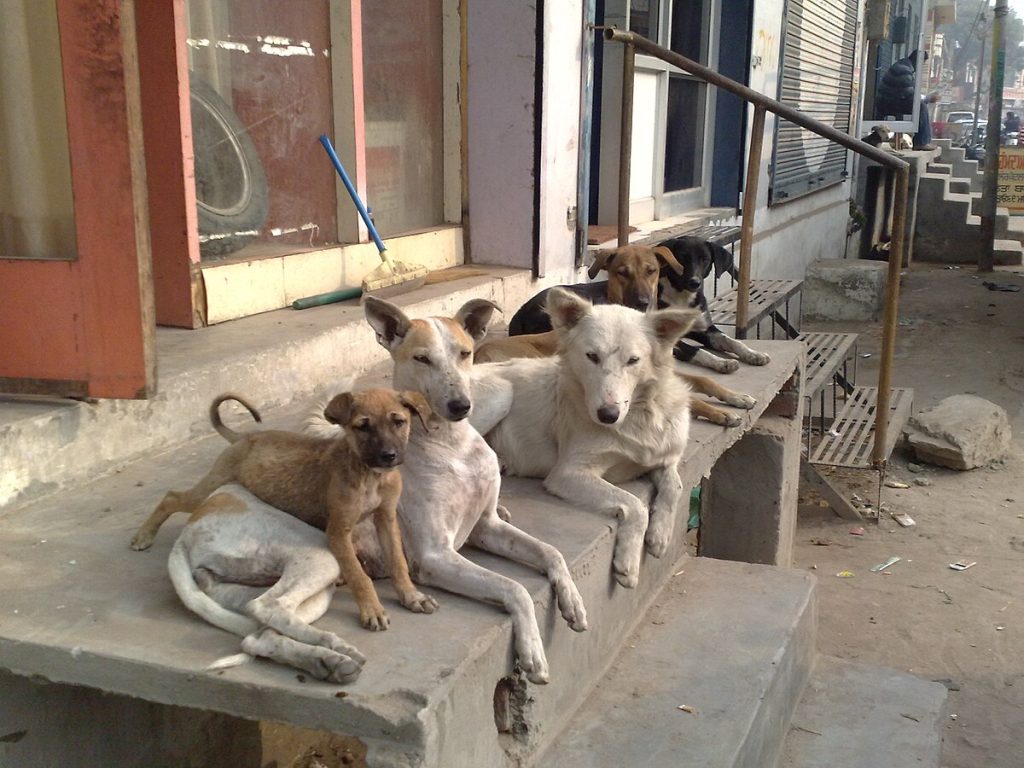
As communities across the United States grapple with the growing stray population, understanding the full impact of animal adoption becomes essential. Adoption organizations and initiatives, like those seen in cities such as Austin, Texas, work tirelessly to raise awareness and promote the cause. Many local shelters host adoption events, making the process more accessible and inviting to potential pet owners.
This article explores how individual decisions to adopt can lead to substantial changes, benefiting both the animals and the communities they inhabit. By choosing to adopt a dog or cat, individuals not only contribute to a solution for the homelessness crisis faced by countless animals but also take a step toward fostering a compassionate community. Dive deeper into the heart of the matter and uncover how a simple act can generate profound effects.
DISCOVER MORE: Click here to learn about the emotional journey of pet adoption
The Ripple Effect of Animal Adoption on Stray Populations
The act of adopting an animal creates a ripple effect that extends far beyond just offering a furry friend a safe haven. When individuals make the decision to adopt, they are actively participating in a movement that significantly reduces the stray animal population in their communities. With every adopted pet, a space in shelters opens up, enabling organizations to rescue more animals from dire situations. This is particularly crucial in regions where the number of stray animals often exceeds the capacity of local shelters.
To understand how adoption impacts the stray population, it is essential to recognize the underlying reasons for these alarming numbers. A significant contributor to the overpopulation issue is the lack of spaying and neutering programs. According to the ASPCA, a staggering 6.5 million companion animals enter U.S. shelters annually, with unplanned litters being a principal factor. When prospective pet owners choose adoption instead of purchasing animals, they also contribute to a movement that emphasizes the importance of responsible pet ownership, including spaying and neutering. This proactive approach is fundamental in combating the cycle of overpopulation.
Consider the following compelling reasons why animal adoption plays a pivotal role in reducing stray populations:
- Breaking the Cycle: Each adopted animal represents a life saved and prevents the birth of countless others. For instance, an unspayed female cat can give birth to up to three litters each year. Each of these kittens, when not adopted or spayed, can lead to further litters, creating an exponential cycle.
- Direct Impact on Shelters: By adopting, individuals help direct resources away from managing vast numbers of strays and instead allow shelters to focus on care and rehabilitation. This alleviation can lead to better overall conditions in shelters and increase adoption rates.
- Community Engagement: Communities that actively promote animal adoption foster a culture of compassion and responsibility. Local initiatives, such as community outreach programs, can not only raise awareness but also encourage responsible pet ownership and the incorporation of low-cost spaying/neutering services.
- Reduction in Euthanasia Rates: With fewer animals entering shelters, and an increase in adoption numbers, the instances of euthanasia decrease significantly. Many shelters operate with limited funds and space, which can tragically lead to tough choices regarding animal welfare.
This cyclical nature of adoption and its implications for the stray animal population highlight how one decision can lead to widespread change. Progress is evident in cities like Austin, Texas, where community-driven adoption initiatives have drastically lowered euthanasia rates and increased successful placements for shelter animals. These successful stories serve as a testament to the power of collective community action in alleviating the stray animal crisis.
As we delve deeper into the factors promoting animal adoption, it becomes increasingly clear that the adoption of pets is not merely a charitable act but a necessary step towards responsible stewardship of animals and sustainable community health. With ongoing efforts and more people engaging in the cause, we stand at the brink of a transformative shift in our relationship with our four-legged friends.
| Advantage | Description |
|---|---|
| Reduced Stray Populations | Animal adoption directly contributes to the reduction of stray populations by giving homeless animals a new home. |
| Enhanced Community Safety | Adoption leads to fewer strays on the streets, reducing incidences of traffic accidents, bites, and the spread of zoonotic diseases within communities. |
| Public Awareness | Promoting adoption raises public awareness about responsible pet ownership and the importance of supporting local shelters. |
| Support for Local Shelters | Increased adoption rates bolster resources for local shelters, allowing them to care for more animals and promote better facilities and programs. |
The ongoing issue of stray animal populations can only be effectively tackled through collective efforts. When individuals elect to adopt instead of buy, they not only help an animal in need but also contribute to a greater societal change. The surge in animal adoption has been shown to foster a sense of responsibility within the community while creating a robust support network for more humane treatment of animals. Furthermore, shelters often offer a wide range of resources to educate potential pet owners about the long-term commitment in caring for a pet and the procedures involved in responsible adoption. As communities come together to combat this growing concern, the tangible benefits of adopting are becoming increasingly apparent, leading to healthier neighborhoods for both humans and animals alike.
LEARN MORE: Click here to discover the emotional journey of pet adoption
Empowering Communities Through Adoption Initiatives
Understanding the impact of animal adoption on the reduction of the stray animal population requires a closer look at community-driven initiatives. Across the United States, various programs are working tirelessly to forge a path toward a sustainable solution that benefits both animals and humans alike. These initiatives often emphasize education and awareness, aiming to create a responsible pet ownership culture that discourages abandonment and promotes adoption.
One notable example is the collaboration between local governments and non-profit organizations to reduce the stray animal population through targeted adoption drives. For instance, cities like San Diego, California, have seen success with programs that subsidize adoption fees and provide essential services such as spaying and neutering vouchers. Such measures not only make pet adoption more accessible but also encourage those interested in adopting to take the plunge, knowing they have the support systems in place for a successful transition into pet ownership.
Adoption events held in community spaces like parks, schools, and even major shopping centers serve as a visual testament to the power of bringing people and animals together. These events often feature various activities tailored to educate potential adopters about pet care, responsible ownership, and the advantages of adopting rather than purchasing. With a hands-on approach, people can interact with the animals, fostering connection and empathy that can lead to successful adoptions.
- Creating Awareness: Initiatives such as educational workshops and school programs help to instill the values of compassion and responsibility toward animals in younger generations. By discussing topics like the lifelong commitment of pet ownership and the importance of spaying and neutering, these programs play a vital role in shaping a more conscientious society.
- Leveraging Social Media: Organizations are increasingly harnessing social media platforms to share success stories of adopted animals, thereby motivating potential adopters. Viral moments involving heartwarming reunions and transformations can make a profound impact, shedding light on the importance of adopting strays over purchasing them from breeders or pet stores.
- Partnerships with Local Businesses: Innovative collaborations between shelters and businesses can strengthen community ties while promoting adoption. Pet-friendly cafes, for instance, sometimes host adoption days, allowing patrons to engage with adoptable animals in a relaxed environment, making it easier to envision welcoming a new pet into their homes.
Furthermore, the economic implications of reduced stray populations cannot be ignored. Municipalities that invest in comprehensive animal adoption policies often see a decrease in costs associated with animal control, sheltering, and veterinary care for strays. According to the National Animal Control Association, cities that have implemented robust adoption and spay/neuter programs have reported significant savings and more efficient allocation of public resources.
As the trend of pet adoption continues to grow, it becomes clear that animal adoption not only plays a crucial role in reducing the stray population but also empowers communities to embrace the responsibilities of pet ownership. With ongoing successes in various urban landscapes, the movement serves as a blueprint for other regions struggling with high stray populations. The ethos of adoption as a community-driven priority can serve as a galvanizing force, encouraging broader participation and further reducing the numbers of homeless animals in our neighborhoods.
DISCOVER MORE: Click here to learn about play behavior in cats
Conclusion: A Collective Responsibility for Change
In examining the impact of animal adoption on reducing the stray animal population, it becomes apparent that the journey toward a solution is multifaceted, involving community engagement, education, and innovative partnerships. The collective efforts of local governments, non-profit organizations, and citizens alike demonstrate that fostering a culture of adoption can significantly combat the growing crisis of stray animals. By making adoption more accessible through support systems and reducing financial barriers, cities like San Diego exemplify how targeted initiatives can have profound effects.
The ripple effects of successful adoption campaigns extend beyond the immediate act of placing an animal into a forever home. They cultivate a sense of responsibility among pet owners and promote broader awareness about issues such as spaying and neutering, ultimately leading to a sustainable reduction in stray populations. Notably, the economic advantages realized by municipalities underscore the dual benefit of adopting policies that prioritize humane treatment of animals and effective resource allocation.
As communities continue to rally around the cause of animal adoption, they not only address the plight of stray animals but also foster a deeper connection between people and pets. This is a call to action, encouraging readers to support and participate in local adoption initiatives, educate themselves and others about responsible pet ownership, and champion the cause of every animal in need. The time has come to envision a future where every pet has a loving home, and the stray animal population is significantly diminished. Together, we can create lasting change, transforming communities and lives one adoption at a time.