Menu

Emergency veterinary services: what pet owners need to know

Emergency veterinary services are crucial for pet owners. Understanding when to seek help and being prepared can save your pet's life. Familiarize yourself with local clinics, recognize signs of distress, and consider pet insurance to alleviate financial burdens. Proactive preparation enhances your pet's chances during critical situations.

The importance of veterinary physiotherapy in pet rehabilitation

Veterinary physiotherapy is essential in pet rehabilitation, enhancing recovery through tailored treatment plans that address both physical and emotional needs. Techniques like hydrotherapy and laser therapy alleviate pain, improve mobility, and foster emotional bonds between pets and owners, leading to better overall health and quality of life for pets.

The importance of veterinary telemedicine in pet health

Veterinary telemedicine revolutionizes pet health care by enhancing accessibility, affordability, and timely consultations. It connects pet owners with veterinarians from home, improving health management while reducing stress. This modern approach bridges gaps in care, ensuring that quality veterinary services are available to all, regardless of location or circumstance.

The role of veterinary services in the prevention of zoonoses: protecting pets and humans

Veterinary services are essential in preventing zoonotic diseases that pose risks to both pets and humans. Through vaccination, education, and proactive health measures, veterinarians safeguard animal health and enhance public well-being, fostering a collaborative approach to combat emerging zoonoses effectively. This synergy is vital for healthier communities.

How to choose the right veterinarian for your pet

Selecting the right veterinarian is crucial for your pet's health. Consider factors like experience, services offered, clinic facilities, accessibility, and communication style. Rely on reviews and recommendations to ensure a trustworthy partnership that prioritizes your pet's well-being and provides quality care throughout their life.

How Veterinarians Are Handling the Growing Demand for Geriatric Pet Care

Veterinarians are adapting to the increasing demand for geriatric pet care by implementing specialized wellness plans, innovative treatments, and educational resources. These approaches address the unique health and emotional needs of aging pets, ensuring they receive comprehensive care and maintain a strong bond with their owners during their twilight years.

Emerging Trends in Animal Welfare Services

The landscape of animal welfare services is evolving, driven by technology, community engagement, and sustainability. Innovations like telemedicine, wearable devices, and AI enhance pet care, while community programs promote responsible ownership and support for vulnerable populations. Together, these emerging trends foster a brighter future for animal welfare.

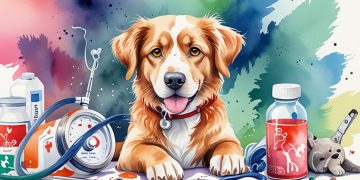
The revolution in veterinary medicine: the use of advanced technology in diagnostics

Advanced technology is revolutionizing veterinary medicine by enhancing diagnostics and animal care. Innovations like digital imaging, telemedicine, and genomic testing allow for early disease detection, personalized treatment plans, and improved health outcomes for pets. This digital evolution fosters a more responsive, efficient, and compassionate approach to veterinary healthcare.

The Role of Veterinarians in the Prevention of Diseases in Pets: Proactive Approaches

Veterinarians play a vital role in disease prevention for pets through proactive approaches like regular check-ups, vaccinations, and nutritional guidance. By educating pet owners and leveraging technology, they enhance the health and well-being of pets while fostering a community focused on preventing illnesses and promoting healthier lives.

Ethics in Veterinary Practice: Challenges and Considerations in Pet Care

Veterinary practice is deeply intertwined with ethical considerations, impacting pet care decisions. Veterinarians face challenges like balancing client expectations, financial constraints, and animal welfare. Continuous education and open communication are crucial for navigating these dilemmas, ensuring effective care while fostering trust between professionals and pet owners.