
The Emotional Challenges of Pet Adoption and How to Overcome Them

The Emotional Landscape of Welcoming a Pet
Bringing a pet into your home is a significant life event that offers the promise of companionship, love, and joy. However, this process is also laden with emotional complexities that can be both exciting and overwhelming. The realization that you are taking on a new family member, with its own unique set of needs and personality, can stir a range of feelings from happiness to anxiety. Understanding these emotions can pave the way for a smoother adoption experience.
Potential pet owners often encounter emotional challenges that can cloud their decision-making:
- Fear of Commitment: The responsibility of caring for a pet can spark anxiety about long-term commitments. Many future pet parents reflect on their lifestyle, questioning if they can provide the necessary time and care for a new pet. This apprehension is valid, as pets often live for many years, and the decision should not be taken lightly.
- Pre-Adoption Doubts: The process of selecting the right pet can lead to second-guessing and confusion. For instance, you may wonder if a specific breed or animal might be compatible with your family’s dynamics, activity level, or living situation. Such doubts can create a paradox where the desire for a pet is overshadowed by fear of making the wrong choice.
- Loss and Grief: For individuals who have experienced the loss of a beloved pet, the journey to adopt another can evoke painful memories. The emotional scars from losing a furry friend can lead to hesitance or guilt, complicating the adoption process further.
Addressing these emotional hurdles is essential for a positive experience. Here are some effective strategies:
- Research and Planning: Engaging in thorough research about various pet breeds, their temperaments, and specific needs can alleviate many concerns. Knowing what to expect helps you feel more empowered in the decision-making process. For example, if you’re considering adopting a dog, understanding the differences between breeds that are active versus those that are more laid back can help you make an informed choice.
- Engaging Support Networks: Sharing your thoughts and concerns with friends, family, or adoption counselors can provide comfort and clarity. Many people find it helpful to connect with others who have gone through the adoption journey, as they can offer personal stories, advice, and support that reassures you through the process.
- Gradual Integration: Introduce the pet into your life slowly to foster a strong bond without overwhelming yourself or the animal. This means allowing time for the pet to acclimate to their new environment and gradually building trust through positive reinforcement, such as treats and gentle interaction.
Exploring these emotional aspects not only better prepares you for the responsibilities of pet ownership but also helps establish a deeper connection with your future furry friend. By facing these challenges head-on, you can evolve into a confident and nurturing pet owner, transforming your home into a haven of love and companionship.
Your journey to pet ownership will be as unique as the pet you choose. Taking time to understand and confront the emotional intricacies involved can lead to a rewarding experience for both you and your new pet.
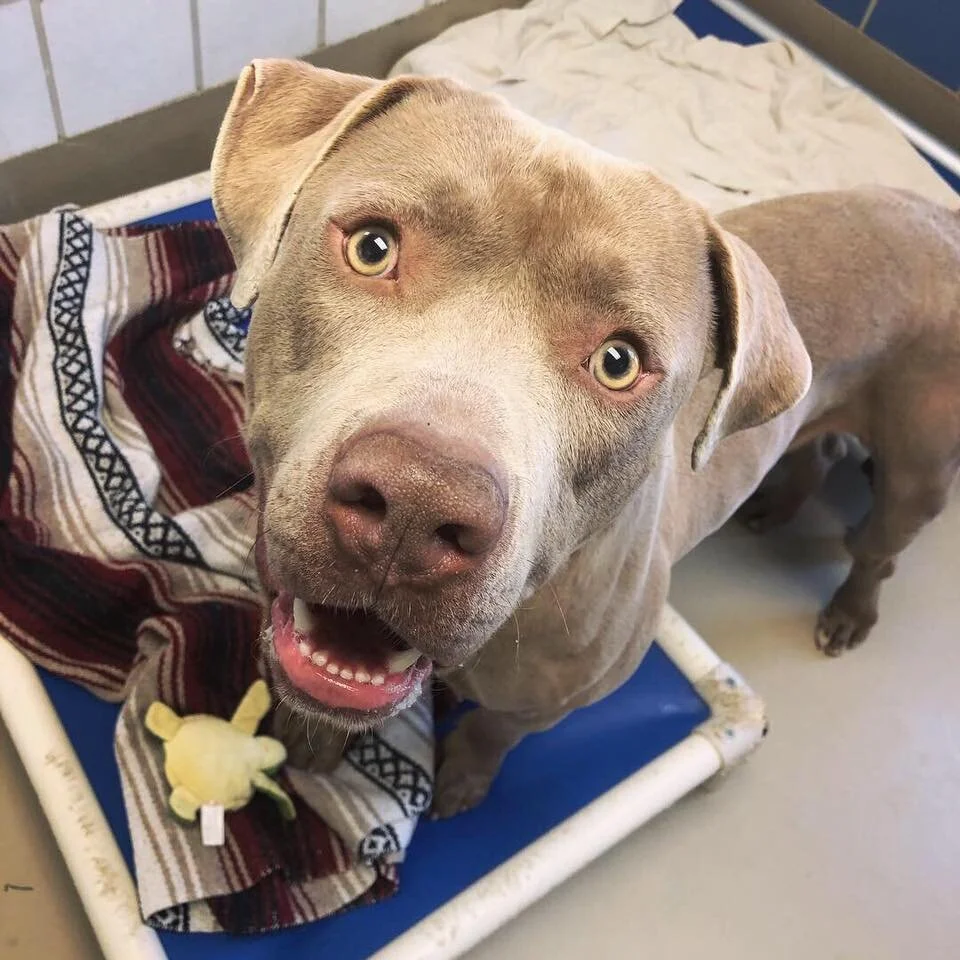
DISCOVER MORE: Click here to learn about body language in dog-human communication
Navigating the Emotional Terrain of Pet Adoption
As you embark on the journey of pet adoption, it’s imperative to recognize the emotional challenges that often accompany this life-changing decision. Acknowledging these feelings can help you develop a framework to navigate them successfully. The experience of adopting a pet is not just about choosing a furry companion; it’s about forming a lasting bond that can significantly impact your life.
Among the most prominent emotional hurdles is the fear of commitment. For many, the thought of bringing a pet into their home elicits concerns about their capacity to offer a stable and loving environment. This fear is particularly pronounced among first-time pet owners or those with demanding lives that leave little room for added responsibilities. The emotional weight of knowing that pets rely on you could amplify anxiety about how your lifestyle might disrupt their well-being.
Moreover, potential pet adopters often grapple with doubts and second-guessing as they try to envision how a new pet would fit into their lives. You might find yourself questioning if you have the right skills, time, or even living space to accommodate a new pet. Whether it’s a rambunctious puppy or a calm adult cat, each animal has its own set of requirements that could greatly influence compatibility with your family. This introspection can turn into a paralyzing loop of uncertainty, often putting the adoption process on hold.
Another emotional challenge that can surface in the pet adoption journey is the shadow of past loss. Previously losing a pet can create a complex mix of nostalgia, grief, and guilt that dramatically affects your willingness to adopt again. Individuals might find themselves comparing the new pet to a beloved companion who has passed or might worry that they are being disloyal to their late pet by moving on. The emotional scars from such a loss can lead to hesitancy, making the idea of adopting feel more daunting than wonderful.
To make this journey less overwhelming, consider the following strategies to help overcome these emotional barriers:
- Prioritize Self-Reflection: Taking time to assess your lifestyle and emotional readiness can provide insight into what type of pet would be the best fit. Think about your daily schedule, living situation, and any potential limitations you may have.
- Educate Yourself: Understanding the different breeds and their respective needs can ease the decision-making process. Research can enable you to align your lifestyle with the characteristics of your potential new pet, making the choice less intimidating.
- Seek Supportive Perspectives: Engaging with experienced pet owners or adoption organizations can furnish you with valuable insights and validation. Many have traversed similar emotional journeys and can provide guidance, fostering more confidence in your decision.
By actively addressing these emotional challenges, you can foster a nurturing environment that not only benefits your new pet but also enhances your own emotional resilience. The key to a successful adoption lies in understanding and embracing the complexities of this decision, allowing you to pave the way for countless joyful moments with your new companion.
| Emotional Challenges | Strategies for Overcoming |
|---|---|
| Fear of Commitment | Start with a foster program to experience pet ownership without full commitment. |
| Potential Loss | Engage in support groups for shared experiences and coping strategies. |
| Overwhelming Responsibilities | Research pet care resources and connect with local pet communities for assistance. |
| Adjusting to Change | Prepare yourself mentally by reading about the challenges and experiences of others. |
When embarking on the journey of pet adoption, one can encounter various emotional hurdles. The fear of commitment often looms large, especially considering the long-term implications of bringing a new pet into one’s life. To mitigate this fear, prospective pet owners may find that starting with a foster program can provide valuable insights and less intensity regarding the responsibilities involved.Moreover, the potential loss of a beloved pet can weigh heavily on the hearts and minds of adopters. Engaging in support groups can alleviate this concern, as sharing experiences with others can foster a strong community connection and understanding. Overwhelming responsibilities are yet another emotional barrier that many face. By actively researching pet care resources and connecting with local communities, individuals can share the load and gain peace of mind. Lastly, adjusting to change when welcoming a pet into one’s home requires significant mental preparation. Reading about others’ experiences can provide deeper insights and help ease the transition into this new chapter of life. This emotional journey, while challenging, can lead to rewarding experiences that far surpass the initial fears.
DISCOVER MORE: Click here to learn about the effects of grain-free diets on your dog’s health
Understanding the Grief of a Past Loss and Moving Forward
As much as the excitement of welcoming a new pet into your life can be exhilarating, it’s crucial to address the emotional turmoil often tied to the grief of a prior loss. Pets are more than just animals; they are family members who leave paw prints on our hearts. When we lose a beloved companion, the emotional void can feel insurmountable. The guilt of potentially ‘replacing’ a pet can cloud your judgment, creating barriers to a new relationship.
When considering pet adoption, take a moment to engage in grief processing. Acknowledge the pain associated with your past pet; this step is essential. Talk about your emotions with loved ones or, if necessary, a counselor who understands the intricacies of pet loss. This emotional outlet can allow you to honor your previous pet while simultaneously creating space for future love and companionship.
Establishing Rituals can help bridge the gap between honoring a lost pet and welcoming a new one. Consider creating a small memorial or holding a celebration of life for your past pet, thereby forming a reassuring goodbye. Allowing yourself to express sorrow can help alleviate guilt, making it easier to focus on a new pet’s unique traits. Both your heart and mind will likely feel lighter, helping your emotional readiness for a new furry friend.
Building a Support System: Community Resources and Personal Networks
One of the most valuable tools during the pet adoption journey is the formation of a supportive network. Connecting with others who are on similar pathways can create a sense of camaraderie. Local animal shelters often provide not only the opportunity to adopt pets, but also a wealth of resources for new owners. They can offer training classes that help pet owners adjust to their roles while fostering community connections.
Moreover, pet adoption support groups can serve as a haven for sharing experiences, offering insights into overcoming emotional hurdles. Engaging in these groups allows for open discussions regarding emotional challenges such as managing the initial chaos of a new pet or chatting about the impressive joys of pet companionship. Surrounding yourself with individuals who empathize with your journey can make the process feel significantly less daunting.
Practicing Patience with Yourself and Your New Pet
Expectations play a substantial role in shaping our experiences. Impatience, either with ourselves or our new pets, can lead to frustration. It’s essential to remember that forming a bond takes time. As a new pet parent, you will navigate through training sessions, behavioral adjustments, and mutual acclimatization. It is within this journey that true companionship takes root.
Embracing the concept of patience can transform any anxious thoughts into productive actions. Take small steps when integrating your new pet into your life. Celebrate the little milestones—whether it’s the first time your dog comes when called or your cat finally settles on your lap. Capitalizing on these small victories serves as a reminder that both you and your new pet have the capacity for growth and adjustment.
- Journaling: Documenting your experiences can provide clarity and allow you to track your emotional progression, helping you become cognizant of your journey.
- Mindfulness Techniques: Engage in mindfulness exercises, such as meditation or yoga, to help alleviate anxiety. This can ground you during overwhelming moments related to adjustment.
- Professional Help: If emotional challenges feel insurmountable, consider enlisting a professional animal behaviorist or a therapist specializing in pet loss to help you navigate this transition.
Ultimately, though the emotional challenges of pet adoption can feel daunting, they are manageable when approached thoughtfully and with care. By amplifying support systems, practicing patience, and navigating grief sensibly, pet adoption can signal the beginning of a cherished chapter filled with unconditional love.
LEARN MORE: Click here to discover the best foods for your pet’s sensitivities</p
Conclusion: Embracing the Journey of Pet Adoption
In summary, the emotional journey of pet adoption is a complex tapestry woven with joy, grief, and growth. Acknowledging the emotional challenges that accompany welcoming a new pet into your life is crucial. From processing the grief of a past loss to nurturing new bonds, each step requires compassion and understanding towards oneself. Remember, healing is not linear; it’s a journey that requires patience and support.
As you navigate these emotional waters, establishing a strong support system can provide invaluable resources and comforting connections with others who understand your experiences. Local shelters and adoption support groups offer not only guidance in the transition, but also the joy of shared stories and celebrations of new beginnings.
Practicing patience—both with yourself and your new pet—can significantly enhance this transition. Recognizing small milestones helps reinforce the growing bond and creates a positive emotional environment. Utilizing techniques such as journaling, mindfulness practices, and seeking professional guidance when necessary can further streamline this adjustment period.
Ultimately, the process of pet adoption, while fraught with emotional challenges, paves the way for an extraordinary journey of love and companionship. Each step taken leads to a unique relationship that enriches both your life and the life of your new furry friend. Embrace the challenges, celebrate the victories, and know that you are not alone in this rewarding experience of pet adoption.